Land Clearing Cost: $5K vs $15K – What Differs
Same size lot, wildly different quotes. Here's what actually drives land clearing costs in Nassau County — and how to avoid getting blindsided.
Share:
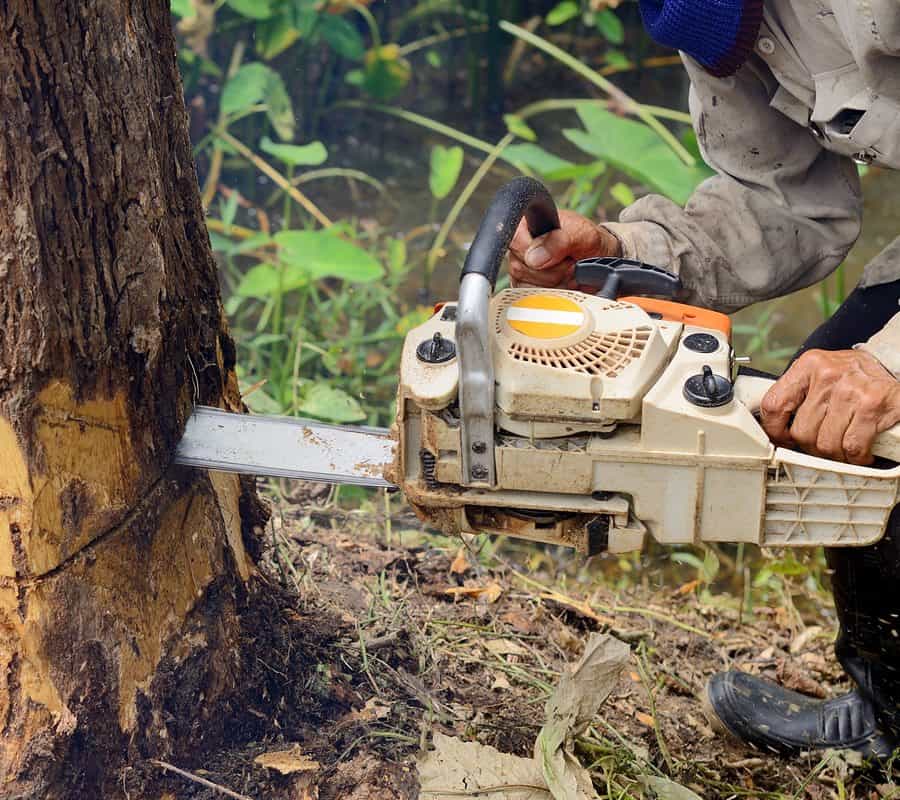
Summary:
You called three companies. You got three different numbers. One came in at $5,200, one at $9,800, and one at $14,500 — for what looks like the same job on paper. Now you’re sitting there wondering who’s gouging you, who’s cutting corners, and whether any of them actually walked your property before quoting.
This is one of the most common frustrations homeowners in Nassau County run into when they start shopping for land clearing. The price range is real, the variation is legitimate, and the reasons behind it are worth understanding before you commit to anything. Here’s what’s actually going on.
Land Clearing Cost Breakdown: What's Actually Driving the Price
The headline number on a land clearing quote rarely tells the whole story. What you’re really paying for is a combination of site conditions, scope of work, disposal requirements, and the contractor’s approach to all of the above. Two lots that look similar from the street can be completely different jobs once someone actually walks them.
In Nassau County specifically, a few factors push costs higher than national averages. Debris can’t be burned on residential lots here — everything has to be hauled to a licensed facility, and that disposal cost adds up fast. Labor rates on Long Island are higher than much of the country. Equipment access on tight suburban lots often requires specialized techniques rather than heavy machinery. And permit requirements in Nassau County are among the stricter in the region, which adds both cost and time to projects that cross certain thresholds.
Land Clearing Cost Per Acre in Nassau County vs. National Averages
Nationally, land clearing runs anywhere from $733 to over $6,000 per acre depending on vegetation density and terrain. In Nassau County, the realistic range sits higher — typically $2,800 to $4,500 for a single acre, with costs scaling from there. Two acres generally runs $5,700 to $9,100. Three acres, $8,500 to $13,600. These aren’t inflated numbers; they reflect what it actually costs to do the job properly in this market.
What pushes a Nassau County project toward the higher end of that range? Dense, mature vegetation is a big one. A lot with 50-year-old oak and maple trees — which is common in neighborhoods developed during the Levittown era — takes significantly more time and equipment than a lot with young brush and scrub growth. Access is another major factor. If a crew can’t get a large machine through a side yard, they’re doing more of the work by hand or with rope rigging, and that takes longer. Proximity to structures, fences, pools, or neighboring properties adds another layer of complexity and care.
Terrain matters too. Flat, open lots are straightforward. Sloped ground, high water tables, or properties near wetland buffer zones — and Nassau County has plenty of those, given its coastal geography — require additional planning and sometimes environmental review from the NY DEC before work can even begin. If your property sits within 100 feet of a wetland, tidal area, or protected shoreline, that’s a conversation worth having with your contractor before anyone starts clearing.
The point is that land clearing prices per acre are a starting point, not a fixed number. The only way to get a number you can actually rely on is to have someone walk your property and assess it in person.
What Hidden Fees Look Like — and Why Nassau County Projects Are Especially Vulnerable
The most common reason a $5,000 quote becomes a $9,000 bill is that the original quote didn’t include everything the job actually requires. Stump grinding is frequently left out — and at $75 to $400 per stump, that adds up quickly on a lot with a dozen trees. Debris disposal is another one. Some contractors quote for cutting and leave haul-away as a separate line item. In Nassau County, where on-site burning isn’t an option, disposal fees of $150 to $500 per load are real costs that belong in the original estimate.
Permits are where things get particularly tricky on Long Island. Nassau County requires a permit for any project involving the removal of more than 50 square feet of vegetation — one of the lower thresholds in the region. If you’re removing three or more mature trees for a pool, addition, or new structure, you’ll typically need both a tree permit and a building permit. Permit costs range from $200 to $500 for standard parcels, and more for properties near protected areas. Fines for unpermitted removal can reach $10,000 per violation in Nassau County townships — that’s not a hypothetical, it’s a documented reality.
Then there’s grading. Clearing removes trees and brush, but it doesn’t level the ground. If you’re prepping for construction or landscaping, grading and leveling after clearing typically adds $1,000 to $5,500 to the total project cost. Erosion control, depending on your site, can add more. The honest takeaway is this: for most projects, the all-in cost runs 30 to 50 percent higher than the initial clearing quote when all the necessary work is factored in. A contractor who tells you that upfront — and accounts for it in their estimate — is doing you a favor, even if the number looks higher at first glance.
Lot Clearing Services in Nassau County: What a Complete Job Actually Includes
Land clearing and lot clearing get used interchangeably, but it’s worth knowing what a thorough job covers. Full lot clearing services include tree felling, stump grinding, root removal, brush and debris clearing, and complete haul-away of everything that comes off the property. What it doesn’t automatically include — unless your contractor specifies it — is grading, seeding, or site preparation for construction.
When you’re getting quotes, ask specifically what’s in and what’s not. A quote that covers cutting but not stumps, or clearing but not disposal, will look cheaper than one that covers everything. It usually isn’t, once you add the rest back in.
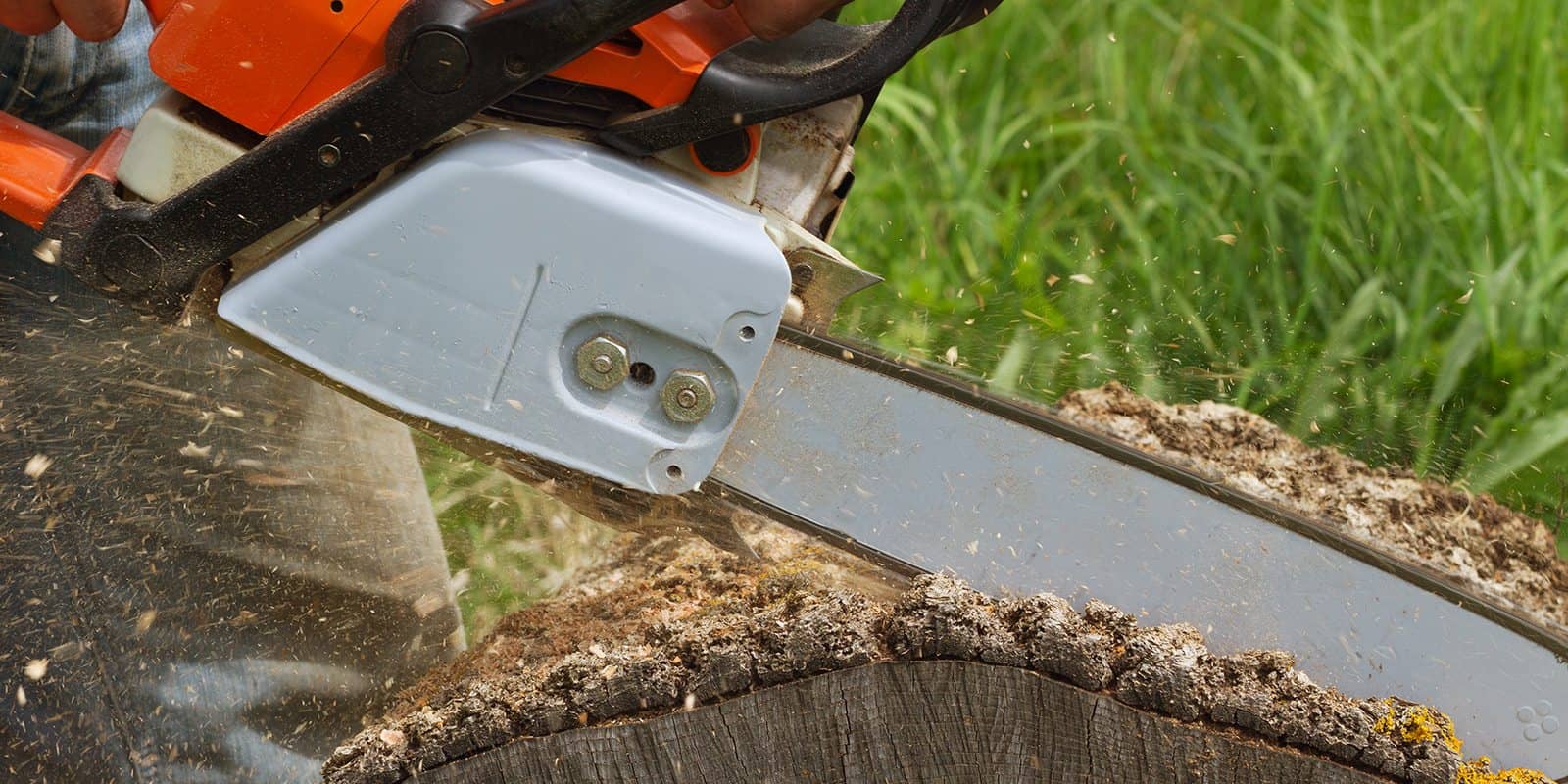
DIY Land Clearing vs. Hiring a Pro: What It Actually Costs in Nassau County
It’s tempting to think you can handle some of this yourself, especially on a smaller lot. And for light brush removal or trimming, that’s sometimes true. But full land clearing — the kind that involves mature trees, stumps, and significant debris — is a different situation entirely, and the math on DIY often doesn’t work out the way people expect.
Equipment rental alone for a proper clearing job can run $500 to $1,500 per day. That covers a stump grinder, a chipper, and basic safety gear — but not the skill to operate them safely near a fence, a pool, or a neighboring structure. In Nassau County’s dense suburban environment, where most residential lots measure a quarter acre or less, that margin for error is extremely narrow. A falling branch that clips a fence or a stump grinder that catches a root near a foundation can turn a DIY project into a much more expensive repair.
There’s also the liability question. If you or anyone helping you is injured on your property during unpermitted clearing work, homeowner’s insurance may not cover it. If a tree falls on a neighbor’s property because it wasn’t properly rigged during removal, you’re potentially looking at a civil claim. A licensed, insured contractor carries both general liability and workers’ compensation coverage — meaning if something goes wrong on your property, it’s our insurance that responds, not yours.
And then there’s the permit issue. Nassau County’s 50 square foot vegetation removal threshold means that even modest clearing projects may require a permit. Navigating which town or village you’re in — Nassau County has three towns, two cities, and dozens of incorporated villages, each with their own tree ordinances — is genuinely confusing. Getting it wrong isn’t just an inconvenience; it can result in a stop-work order or a fine that exceeds what you would have paid a professional in the first place.
How to Get a Land Clearing Quote You Can Actually Trust
The single most useful thing you can do before committing to any land clearing project is get an on-site estimate — not a phone estimate, not an online calculator result, but an actual person walking your property and assessing what the job involves. This is the only way to account for access challenges, stump count, debris volume, permit requirements, and proximity to structures or water features.
When we walk your lot, we’re identifying things you may not have thought about: whether there’s a utility line that requires PSEG Long Island coordination, whether any trees are close enough to your neighbor’s property to require special rigging, whether your lot is within a wetland buffer zone, and whether the vegetation you’re clearing crosses Nassau County’s permit threshold. A contractor who skips this step and quotes over the phone is either guessing or planning to add charges once the job starts.
Ask for a written, itemized estimate. Not a single number — a breakdown that shows labor, equipment, stump grinding, debris disposal, and any permit costs as separate line items. That way, if you’re comparing quotes from multiple contractors, you’re comparing the same scope of work, not apples to oranges. A quote that looks $2,000 cheaper may simply be missing two line items that another contractor included.
Also ask about timeline. In Nassau County, most straightforward residential clearing jobs can be scheduled and completed within a week of the initial estimate. If a contractor is quoting you a month out for a standard job, it’s worth asking why — whether it’s demand, equipment availability, or something specific to your project. Knowing the timeline matters if you’re working around a construction permit, a real estate closing, or a seasonal deadline.
One more thing worth asking: what happens if something unexpected comes up during the job? Root systems that extend further than anticipated, buried debris, or soil conditions that complicate equipment use are all real possibilities. A contractor with experience in Nassau County will have seen these situations before and should be able to tell you how they handle scope changes — ideally before they start, not after.
Getting a Fair Land Clearing Price in Nassau County Starts Here
The gap between a $5,000 quote and a $15,000 quote isn’t a mystery — it’s a combination of site conditions, scope, disposal costs, permit requirements, and how thoroughly a contractor assessed the job before quoting it. Understanding those factors puts you in a much better position to evaluate what you’re actually being offered.
On Long Island, where lots are tight, regulations are specific, and debris can’t just be burned on-site, the cheapest quote is rarely the most accurate one. What you want is a quote that reflects the full job — stumps, disposal, permits, and all — from someone who’s actually stood on your property and knows what they’re looking at.
We’ve been doing this work across Nassau County since 1998. If you’re trying to figure out what your project actually involves and what it should cost, we’re happy to come out, walk the property, and give you a straight answer. Reach out to Competition Tree, Inc. and we’ll get you scheduled for a free on-site estimate — usually within a day or two of your call.
Article details:
- Published by:
- Competition Tree
- Published to:
- Last modified:
- June 30, 2026
Share:
Continue learning: