Pruning vs Trimming: Which Tree Service Is Right for You?
How Often Should Homeowners Schedule Tree Maintenance?
Your trees face challenges most other regions don’t deal with. Salt air that slowly weakens branches. Nor’easters that turn healthy trees into property threats overnight. Soil conditions that make root systems vulnerable during storms.
The question isn’t whether you need regular tree maintenance on Long Island—it’s when and how often. Get the timing wrong, and you’re either wasting money on unnecessary work or setting yourself up for expensive emergency calls when the next big storm hits.
Here’s what Long Island homeowners actually need to know about scheduling tree care that protects both your trees and your property investment.
Why Long Island Trees Need Different Maintenance Schedules
Long Island’s coastal location creates specific challenges that affect tree maintenance timing differently than inland properties. Your trees are constantly exposed to salt spray that damages leaves and weakens tree structure over time.
Heavy spring rains saturate soil so deeply that when strong winds come, tree roots cannot stay firmly planted in the ground. This means your maintenance schedule needs to account for storm season preparation, not just general tree health.
Tree maintenance frequency varies depending on species, condition, and needs—it’s more about what a tree needs rather than following a rigid schedule. But Long Island’s unique environment creates some consistent patterns every homeowner should understand.
Annual Tree Inspections: Your First Line of Defense
Trees should be inspected at least once a year by certified arborists for professional evaluation of health, structural integrity, and safety. These inspections identify potential risks such as diseases, pest infestations, dead branches, root instability, and structural weaknesses.
The best time for your annual inspection on Long Island is late winter or early spring, before storm season begins. This timing allows you to address problems before they become emergencies when high winds hit.
Trees can decline without you realizing it, with trouble brewing in the canopy far from ground level until it’s already in bad shape by the time you notice the first signs. Professional inspections catch these issues early.
During your annual inspection, certified arborists look for signs that aren’t obvious to homeowners: structural weaknesses that could fail in storms, disease symptoms that haven’t progressed to visible stages, and root issues that compromise stability. They can assess whether trees are receiving adequate water, if soil conditions are suitable, and identify signs of pests or disease.
If you notice unusual changes like discolored leaves, falling branches, or peeling bark between annual inspections, schedule an assessment immediately—many tree issues start small but escalate quickly if left unaddressed. Don’t wait for your next scheduled inspection if something looks wrong.
The investment in annual inspections typically pays for itself by preventing one emergency call. When you consider that emergency tree removal can cost thousands, plus potential property damage, the annual inspection becomes essential insurance for Long Island homeowners.
Storm Season Preparation: Timing Your Pruning Right
In places with unpredictable weather and occasional hurricanes, storms, or intense freezes, proactive pruning before storm seasons reduces the risk of branches falling and causing damage to properties or power lines.
Long Island’s storm season typically runs from June through November, with peak activity in August and September. Your pruning should be completed by late spring—ideally March through May—to give trees time to heal before facing severe weather.
Pruning adds stress to trees, and right after pruning, trees are more vulnerable to problems, but winter pruning avoids active disease and pest seasons. However, Long Island’s coastal climate means you can often prune successfully in late winter through early spring.
Pruning removes diseased, dying, or dead branches that add stress to your tree’s life. When you remove dead, dying, or diseased branches, it helps restore energy to the rest of the tree and isolates problems, preventing them from spreading.
The key is removing potential projectiles before storm season while giving trees enough time to close wounds and strengthen remaining branches. Strategic pruning prevents the spread of diseases and encourages new, healthier growth.
Don’t wait until you hear a storm warning to think about pruning. By then, tree services are booked solid with emergency calls, and you’re stuck hoping your trees survive another season. Smart Long Island homeowners get their pruning done during the calm months, not when everyone else is scrambling.
Seasonal Tree Care Schedule for Long Island Homeowners
Every successful maintenance schedule starts with understanding the trees on your property, as different species have different requirements for pruning, fertilization, and pest control.
Your Long Island tree care calendar should align with both natural growth cycles and weather patterns. Regular pruning in spring and fall makes maintenance easier and more trouble-free.
Here’s how to structure your year for optimal tree health while working with Long Island’s climate patterns instead of against them.
Spring Tree Maintenance: Setting Up for Success
Spring is your most important season for tree maintenance on Long Island. When snow melts and new growth is on the horizon, trees wake up from dormancy, making it time to remove dead, diseased, or damaged branches left over from winter storms.
Spring is ideal for fertilizing with balanced fertilizer to spur healthy growth, plus adding fresh mulch around the base while avoiding piling it against the trunk to lock in moisture and nutrients. This timing gives trees the resources they need for the growing season ahead.
Deep watering is crucial for younger trees during dry spells, and early spring is prime time to watch for early signs of pests or fungal issues when swift intervention prevents bigger problems later.
Spring and summer are when problems with diseases and pests become active, so you must remain vigilant during these times. The advantage of spring maintenance is catching these issues before they establish and spread.
For Long Island specifically, April through May represents your sweet spot for major pruning work. Trees have energy for healing, pest pressure is still low, and you’re ahead of storm season. Pruning when trees are young and monitoring growth in early years prevent costly damage or removal services later when trees mature.
Don’t rush spring maintenance just because the weather gets nice. Sometimes tree problems aren’t overtly noticeable to homeowners, making it wise to work with tree care professionals to ensure trees are in good shape. Professional assessment during spring maintenance catches problems you might miss.
Fall Preparation and Winter Tree Care Planning
As temperatures cool and leaves drop, it’s time to prepare trees for harsher weather ahead by clearing fallen leaves to curb disease spread and maintaining a tidy yard that helps identify hidden pests or dead branches before winter.
Fall maintenance on Long Island focuses on storm-proofing your trees for winter weather. Soil aeration loosens compact soil around root zones, allowing moisture and oxygen to reach root systems. This is especially important in Long Island’s sandy soils that can become compacted.
Some tree species respond well to light pruning in early fall, but this requires species-specific knowledge. Pruning in winter, late fall, or very early spring is optimal because trees direct energy to roots during these times, making pruning less stressful compared to when they’re expending energy producing leaves.
Winter planning is crucial for Long Island homeowners. Trees should be periodically assessed for signs of trouble, which is easier in winter because there are no leaves. This is when you can clearly see structural issues, dead branches, and potential failure points.
Use fall and winter to plan your next year’s maintenance schedule. With proper maintenance and help from qualified tree care professionals, you should be able to predict, prevent, or delay many problems by monitoring trees on your property and developing a good working relationship with a trusted tree professional.
This approach helps keep trees healthy, prevents tree-related property damage or injuries, and avoids tree issues that could impact insurance coverage. For Long Island homeowners, this planning approach is essential given the storm risks and coastal conditions your trees face year after year.
Creating Your Long Island Tree Maintenance Schedule
Regular pruning and trimming, proper mulching, adequate watering, appropriate fertilization, and regular inspections are all key to ensuring the health and longevity of your trees. But timing these services correctly for Long Island’s unique conditions makes the difference between trees that thrive and trees that become expensive problems.
Taking care of trees should be an ongoing effort involving tree experts, and when tree care experts perform maintenance services, they’re also assessing trees for signs of trouble. While it’s an area many people don’t think much about when planning home maintenance tasks, giving regular attention to your trees can really pay off.
Your Long Island tree maintenance schedule should include annual spring inspections, pre-storm season pruning, and fall preparation work. For specific timing and professional assessment of your property’s needs, we at Competition Tree, Inc. have been helping Long Island homeowners protect their tree investments for over two decades with the local expertise that makes the difference.
How Tree Trimming Works
Tree trimming assists in maintaining healthy and beautiful trees. Tree trimming in Suffolk County, NY involves removing dead, diseased, or overgrown branches to improve the tree’s health, appearance, and safety. However, tree trimming is not a simple task and requires expertise and experience. At Competition Tree, we have a team of trained and experienced arborists who specialize in tree trimming. Our experts use different techniques and tools to ensure that your trees are trimmed correctly and safely.
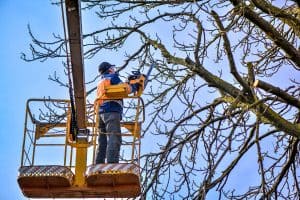
Let’s discuss how tree trimming works and why it is beneficial for the health of your trees.
1. Assessment
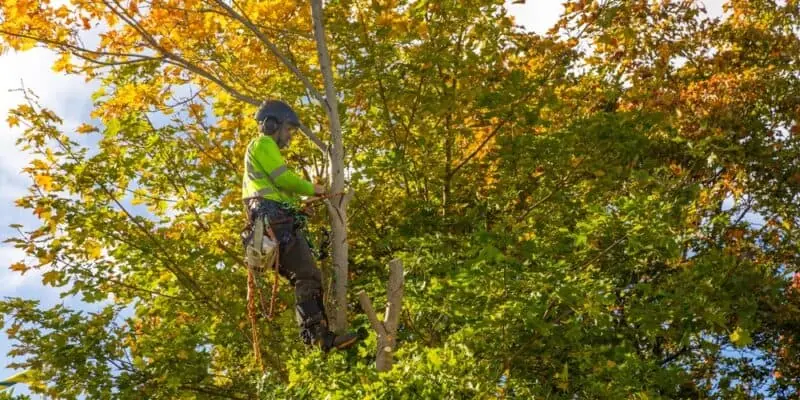
The first step in tree trimming is to assess the tree’s health, size, and location. Our arborists identify which branches should be removed and which ones need to be preserved. We also check the tree’s surroundings to ensure that no obstacles or structures are in the way.
2. Choosing the right equipment
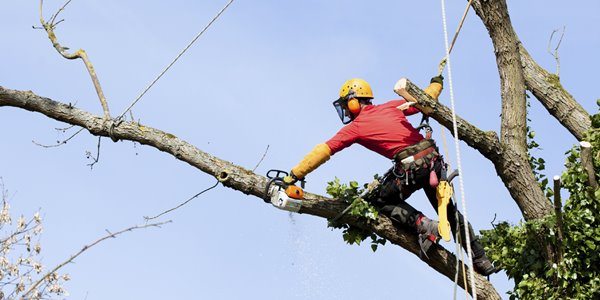
Tree trimming requires different tools, depending on the size and location of the tree. Our team uses different equipment, such as ladders, ropes, chainsaws, pole saws, and more to access and trim the branches safely.
3. Trimming techniques
Tree trimming can be executed by a variety of different methods. Depending on the tree’s size, health, and shape, our arborists use the following techniques:
- Crown Thinning: This involves selectively removing branches within the tree’s crown to reduce its density. This technique allows more sunlight and air to penetrate the tree, which can improve its overall health and structure.
- Crown Raising: This technique involves removing the lower branches of the tree to provide more clearance for pedestrians, vehicles, or buildings. Crown raising can also improve the tree’s appearance and allow more light to reach the ground.
- Crown Reduction: This technique involves reducing the height or spread of the tree’s crown by selectively removing larger branches. Crown reduction is often used to alleviate stress on the tree, improve its balance, and reduce the risk of branch failure.
- Deadwood Removal: This involves removing dead or dying branches from the tree. Deadwood removal can improve the tree’s appearance, reduce the risk of branch failure, and prevent the spread of diseases or pests.
- Structural Pruning: This involves removing branches that are structurally weak or poorly attached. Structural pruning can improve the tree’s overall stability and reduce the risk of damage from wind or storms.
- Vista Pruning: This technique involves selectively pruning branches to enhance the view from a specific location. Vista pruning is often used in parks or residential areas to improve the aesthetic value of the landscape.
- Thinning or Reduction of Overgrown Trees: This technique involves removing a significant portion of the tree’s canopy to reduce its size and weight. Overgrown trees can pose a risk of falling or breaking during strong winds, so thinning or reduction is used to reduce that risk.
4. Safety measures
Tree trimming is a risky task, and safety is our top priority. Our arborists in Suffolk County, NY follow safety procedures, such as wearing safety gear, securing the area, and communicating with each other to ensure that the trimming process is safe for everyone involved.
5. Clean-up
After the trimming process is complete, our team cleans up the area, removes the debris, and disposes of the branches responsibly. We always leave your property the way we found it.
Ready To Get Your Trees Trimmed?
Tree trimming is an essential part of maintaining healthy and beautiful trees. It requires expertise, experience, and proper equipment to ensure that the trimming process is safe and effective. At Competition Tree, we have a team of trained and experienced arborists who specialize in tree trimming. We use different techniques and tools to ensure that your trees are trimmed correctly and safely. Contact us today to schedule your tree trimming service and improve the health and appearance of your trees.
How To Find A Good Tree Removal Service
Trees are essential to our environment, providing a host of benefits like cleaner air, shade, and habitat for wildlife. However, when trees in Suffolk County, NY become diseased, damaged, or pose a safety hazard, they need to be removed from your neighborhood. Tree removal is a complex and dangerous task that requires specialized skills, equipment, and knowledge that only a professional tree company, such as Competition Tree, can handle. Hiring a professional tree removal service is critical to ensuring the safety of your property and loved ones.
Let’s discuss some tips on how to find a good tree removal service:
Look for Experience
When it comes to tree removal, experience matters. Look for a tree service company in Suffolk County that has been in business for several years. An experienced tree removal service will have the necessary skills, equipment, and knowledge to handle even the most complex tree removal jobs. Additionally, they will be familiar with local regulations and permits, ensuring that the tree removal is done legally and without any unnecessary delays. When researching tree removal services, look for companies with positive reviews and testimonials from satisfied customers.
Check for Insurance and Licenses
Tree removal is a high-risk job that requires the use of heavy equipment and climbing. Before hiring a tree removal service, make sure they have the necessary licenses and insurance to protect you and their workers. A reputable tree removal service should have liability insurance and workers’ compensation insurance. They should also have the required permits and licenses to operate in your area.
Ask for References
A good tree removal service should be able to provide you with references from satisfied customers. Reach out to these references and ask about their experience with the company. Did they arrive on time? Did they clean up after themselves? Did they communicate well? These questions can give you valuable insights into the company’s work ethic and professionalism.
Get Multiple Quotes
Don’t settle for the first tree removal service you come across. This will give you an idea of the average cost of the tree service you are looking for, Shop around and get multiple quotes from different companies. Remember to be wary of quotes that are significantly lower than the others, as this could be a sign of poor quality or hidden fees.
Ask About the Removal Process
A good tree company should be able to explain its removal process clearly and concisely. They should be able to tell you how they will safely remove the tree while protecting your property in the process. They should also be able to explain where and how they dispose of leftover debris. If they can’t provide a clear answer, look for another company.
Look for Additional Services
In addition to tree removal, many tree companies offer other services like tree trimming, stump removal, and tree planting. If you have other tree-related needs, look for a company that offers these services as well. Hiring a company that can handle all your tree-related needs can save you time and money in the long run.
Ready to Hire a Professional Tree Removal Service?
Finding a good tree removal service requires some research and due diligence. By following these tips, you can find a reputable company that will safely and efficiently remove your tree. Don’t risk injury or property damage by attempting to remove a tree yourself. Don’t wait, contact Competition Tree today to get the job done safely and efficiently.
Reasons to Hire a Tree Trimming Company
If you’re thinking of hiring a tree service, you’re in luck! There are many reasons to hire a professional arborist. These professionals are experts in their field, and can help you maintain your trees while reducing the risk of damage from insects, disease, and other factors. They also have the equipment needed to minimize risk, so you don’t have to worry about getting hurt. This article will cover some of the most common reasons for hiring a tree service.
Before deciding on a company to hire, you should look at their history. Find out how long they have been in business, and ask them about their past work. This will give you an idea of their track record with clients. If they have a history of settling legal disputes, you can be confident in the level of service they will provide. You’ll also want to check out their website to make sure they’re legit.
In addition to offering expert advice, a good tree service company can perform regular maintenance, which includes trimming and watering the leaves. They also know how to treat any disease or pest infestation that might attack your trees, and can recommend the best methods for treating them. This will help your trees stay healthier and stronger. You can rely on a reliable tree service to provide you with exceptional results. They also have equipment that will allow them to safely dig out your property during blizzards.
When choosing a tree service company, make sure you know about their history. If you’ve never used one, you can always ask them for their past work and their client references. If the company has been in business for some time, it shows they’re reputable and know what they’re doing. This way, you can be sure that they will do a quality job for you. This way, you can feel confident that they’re doing the best job possible.
Tree service workers are skilled in pruning and maintaining trees. Performing these services will ensure your trees remain healthy and attractive, and you’ll enjoy their beauty and protection for years to come. In addition to aesthetic benefits, trees can also benefit the environment by regulating climate and improving air quality. They are a great investment in your property, and they can help you save money as well. They can also help you with a tree removal. Whether you’re looking for a professional or a DIY approach, the right professional can make the difference.
Proper pruning will improve the health of your trees. It’s important to get the right kind of equipment for your project. The tools and equipment that professionals use will prevent you from getting hurt while performing these services. An expert arborist will also wear protective gear, so you won’t have to worry about any damage that might occur. It’s not only important to hire a professional arborist to help your property look beautiful; it’s also essential for the safety of everyone involved. If your looking for a tree service company then get in contact with competition tree today.
What Our Tree Services Can Do For You
Competition trees can help you with everything from tree trimming to tree removal. We can provide everything from tree trimming, tree removal, tree service, and tree care. Long Island is made up of hundreds of small towns that are all unique. Everyone has a different way of living, everyone has their own traditions and everyone brings something new to the table. That’s why when you choose a tree service in Nassau County, you get the chance to offer someone something that no one else on the planet has ever offered.
Competition tree Specializes in both commercial and residential tree removal and/or pruning in Nassau & Suffolk Counties, which means you are guaranteed complete satisfaction with every job provided. We will prune trees for commercial, residential, and industrial use, they cut trees, remove dead branches and limbs, and transplant new ones.
If you do not live in Nassau County, but you need tree removal or tree trimming, call us. We can schedule an appointment with you to come and trim your trees for you at any time, day or night. We will never charge you until you are completely satisfied with the work we do for you and the end results.