Late Fall Tree Pruning Guide for Homeowners in Farmingdale & Levittown
Discover the optimal timing and techniques for late fall tree pruning that sets your Nassau County trees up for vigorous, healthy spring growth.
Share:
Summary:
Why Late Fall is the Optimal Time for Tree Pruning
Trees don’t follow your schedule—they follow biology. And right now, in late fall, your Nassau County trees are entering dormancy, which creates the ideal conditions for pruning.
When trees go dormant, they stop actively growing and moving nutrients. This means pruning cuts won’t bleed sap or stress the tree like they would during active growing seasons. The wounds heal more efficiently because the tree can focus its energy on recovery rather than supporting new growth.
Late fall pruning also means you’re working ahead of Nassau County’s unpredictable winter weather. You’re removing weak, damaged, or poorly positioned branches before ice storms and nor’easters can turn them into projectiles that damage your home or neighboring properties.
How Dormant Season Pruning Promotes Spring Growth
Think of dormant pruning as giving your trees a head start on spring. When you remove branches during dormancy, you’re essentially directing where the tree will put its energy when growing season returns.
Every cut you make eliminates competition for nutrients. Dead, diseased, or crossing branches that would otherwise drain resources get removed, allowing the tree to channel everything into healthy, productive growth. The result is more vigorous spring growth, better branch structure, and improved overall tree health.
Research consistently shows that trees pruned during dormancy respond with stronger, more robust growth than trees pruned during active growing seasons. The timing allows for optimal wound closure—cuts made in late fall have months to begin healing before the tree needs to support new leaves and branches.
This is particularly important in Nassau County, where mature trees deal with salt spray, compacted soils, and urban stressors. Dormant pruning gives these trees the best possible chance to recover and thrive.
You’re also working with clearer visibility. Without leaves, you can see the tree’s actual structure, identify problem areas, and make precise cuts that improve the tree’s long-term health and appearance.
Storm Preparation Through Strategic Pruning
Nassau County homeowners know winter weather can be brutal on trees. Ice storms, heavy snow, and coastal winds create conditions that can turn healthy trees into hazards overnight.
Late fall pruning is your first line of defense against storm damage. By removing weak, dead, or poorly attached branches now, you’re eliminating the most likely failure points before winter weather arrives.
Focus on branches that show signs of decay, those with narrow attachment angles, and any limbs that extend over structures or power lines. These are the branches most likely to fail during storms, and removing them now prevents property damage and potential safety hazards.
We look for specific indicators: branches with included bark at attachment points, limbs showing fungal growth or insect damage, and any branches that have been previously damaged but not properly addressed. These problem areas become much more dangerous when loaded with ice or subjected to high winds.
The goal isn’t to remove every branch that might theoretically cause problems—it’s to identify and address the genuine risks while maintaining the tree’s natural structure and health. Proper storm preparation pruning actually strengthens trees by removing weak points and improving overall structural integrity.
This approach is especially critical in Farmingdale, Levittown, and Bethpage, where mature suburban landscapes often feature large trees in close proximity to homes, power lines, and neighboring properties. Strategic pruning now prevents emergency situations later.
Professional Techniques for Healthy Tree Pruning
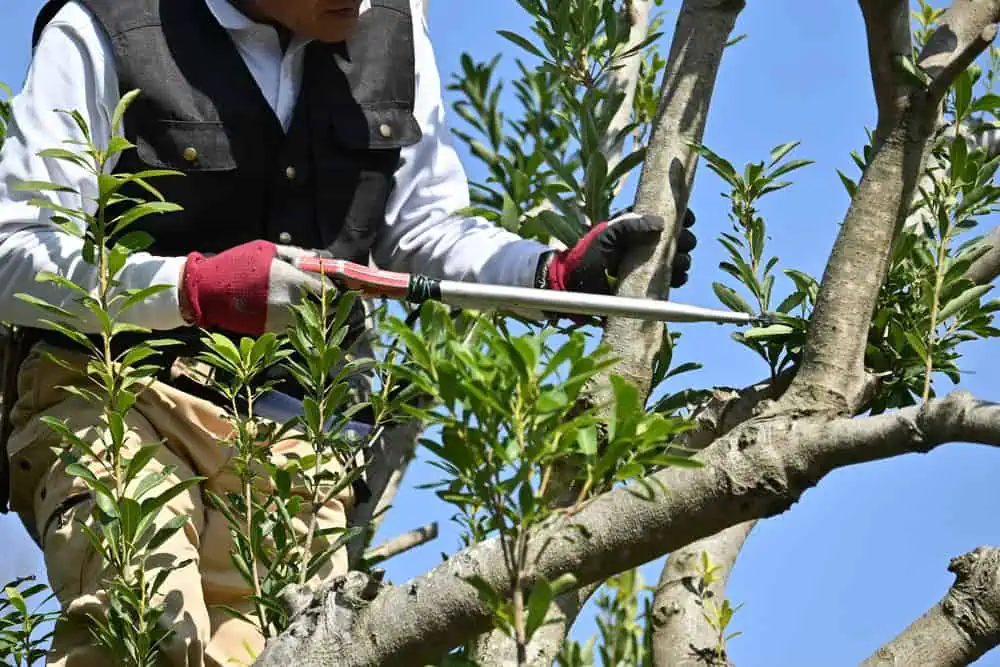
Proper pruning technique matters more than most homeowners realize. Poor cuts can create entry points for disease, while correct cuts promote rapid healing and healthy growth.
The key is understanding tree biology. Trees don’t heal like animals—they compartmentalize damage by walling off injured areas. Professional pruning works with this natural process by making clean cuts in the right locations.
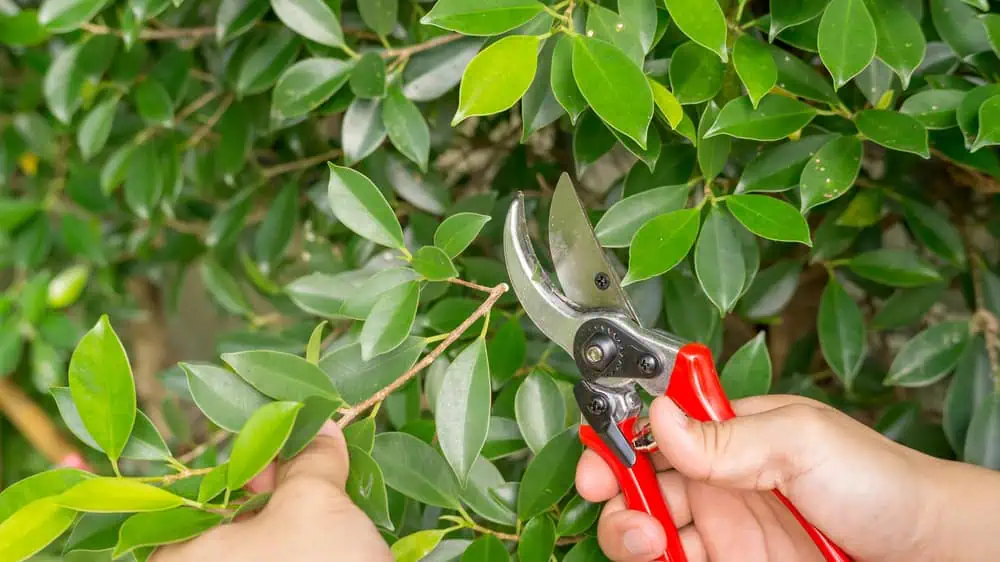
Every cut should be made just outside the branch collar, the swollen area where the branch attaches to the trunk or parent branch. This location contains specialized cells that help the tree seal the wound and prevent decay from entering the main trunk.
Common Pruning Mistakes That Damage Trees
The biggest mistake homeowners make is “topping” trees—cutting branches back to stubs or making cuts in the middle of branches. This approach might seem logical, but it actually creates multiple problems that can kill or severely weaken trees.
Topped trees respond by producing numerous weak shoots from the cut points. These shoots are poorly attached and more likely to fail during storms. They also create dense growth that blocks sunlight and air circulation, leading to disease problems.
Another common error is removing too much of the tree’s canopy at once. Trees need their leaves to produce energy, and removing more than 25% of the living branches can stress the tree severely. In Nassau County’s challenging urban environment, this stress can be the difference between a tree that thrives and one that slowly declines.
Improper cut placement is equally problematic. Cuts made too close to the trunk remove the branch collar and create large wounds that struggle to heal. Cuts made too far from the trunk leave stubs that die back and create entry points for insects and diseases.
Timing mistakes compound these problems. Pruning during active growing seasons, especially late summer, can stimulate new growth that doesn’t have time to harden before winter. This tender growth is vulnerable to frost damage and can set the tree up for winter injury.
We understand these risks and use techniques that work with tree biology rather than against it. We make strategic cuts that promote healing, maintain structural integrity, and support long-term tree health.
When to Call Professional Arborists
Some pruning tasks are appropriate for homeowners, but many situations require professional expertise and equipment. Understanding the difference can save you money, prevent injury, and protect your trees.
Call professionals for any work involving large branches, cuts above head height, or trees near power lines. These situations require specialized equipment and training to complete safely. We have bucket trucks, rigging equipment, and the experience to handle complex removals without damaging property.
Tree species also matters. Some trees, like oaks, are particularly susceptible to diseases that spread through pruning wounds. We understand these risks and know when and how to prune different species safely.
If you’re dealing with mature trees that haven’t been pruned in years, professional assessment is crucial. These trees often have structural issues that aren’t obvious to untrained eyes. Attempting to address major structural problems without proper knowledge can create safety hazards or damage the tree beyond repair.
Emergency situations always require professional response. Storm-damaged trees, especially those near structures or power lines, create complex hazards that require specialized training and equipment to address safely.
We also provide value through proper diagnosis. What looks like a pruning issue might actually be a disease, pest problem, or structural defect that requires different treatment. Getting the right diagnosis upfront prevents wasted time and money on ineffective treatments.
In Nassau County, where property values are high and mature trees are valuable assets, professional tree care is often the most cost-effective approach. The investment in proper pruning pays dividends in tree health, property safety, and long-term maintenance costs.
Maximizing Tree Health Through Proper Fall Pruning
Late fall pruning sets your Nassau County trees up for success, but only when done correctly and at the right time. The dormant season provides a narrow window where you can address tree health issues, remove hazards, and promote vigorous spring growth with minimal stress to your trees.
The key is understanding that tree care is about working with biology, not against it. Professional pruning during dormancy supports your trees’ natural processes while protecting your property from storm damage and other hazards.
For homeowners in Farmingdale, Levittown, and Bethpage dealing with mature suburban landscapes, proper tree care isn’t just about aesthetics—it’s about safety, property values, and long-term tree health. When you need expert pruning that promotes healthy spring growth, Competition Tree, Inc. brings over two decades of Nassau County experience to every job.
Article details:
- Published by:
- Competition Tree
- Published to:
- Last modified:
- November 27, 2025
Share:
Continue learning: