Tree Service in Nesconset, NY

Your Trees Handled Right the First Time

Professional tree service that keeps your property safe, beautiful, and worry-free in Nesconset.
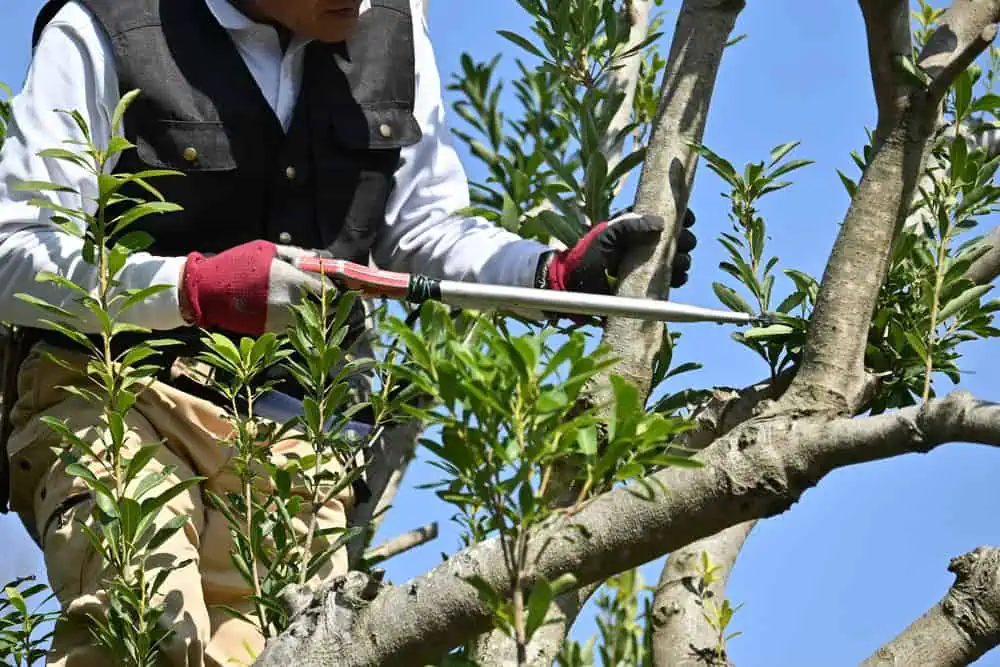
A person wearing gloves and a vest uses a hand saw to trim branches from a tree under a clear blue sky, showcasing expert tree services Long Island relies on.

Hear from Our Customers

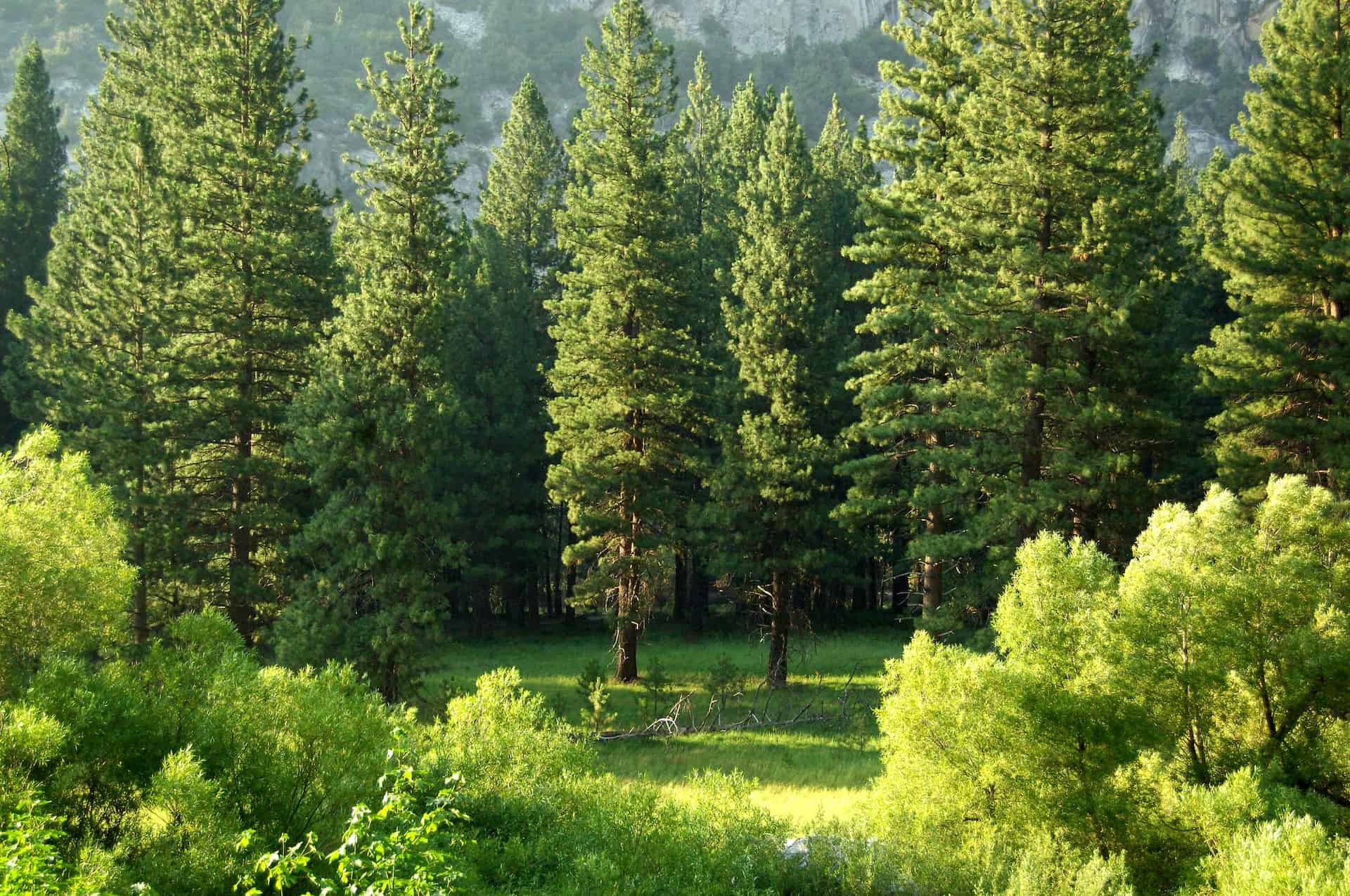
Sunlight shines through tall pine trees in a dense NY forest, casting light on green grass and bushes in the foreground, with a rocky hillside faintly visible in the background—an inspiring scene for tree services Long Island experts.

Professional Tree Care Nesconset

What Proper Tree Care Actually Gets You

Your trees stop being a source of stress and start being an asset. No more wondering if that branch over your driveway is going to come down in the next storm. No more looking at dead or overgrown trees and putting off the inevitable.

When tree work is done right, you get peace of mind. Your property looks the way it should. Your insurance stays happy. Your neighbors aren’t dealing with branches falling into their yard.

You also get your weekends back. Instead of staring at that stump in your backyard or trying to figure out how to trim branches near power lines, you can focus on the things that actually matter to you. The work gets done safely, completely, and without the headaches that come with trying to handle it yourself or hiring someone who doesn’t know what they’re doing.

Nesconset Tree Removal Experts

We Know Trees and We Know Nesconset

We’ve been handling tree care in Nesconset and across Long Island for years. We understand the specific challenges that come with mature trees in suburban settings – the proximity to homes, power lines, and neighboring properties that make every job require real expertise.

Our team includes certified arborists who can spot problems before they become expensive disasters. We’re fully licensed and insured because this work has real risks, and you shouldn’t have to worry about liability when we’re working on your property.

We’ve seen what happens when tree work goes wrong. That’s exactly why we invest in proper equipment, ongoing training, and the kind of insurance coverage that protects both you and us when we’re handling trees around your home.
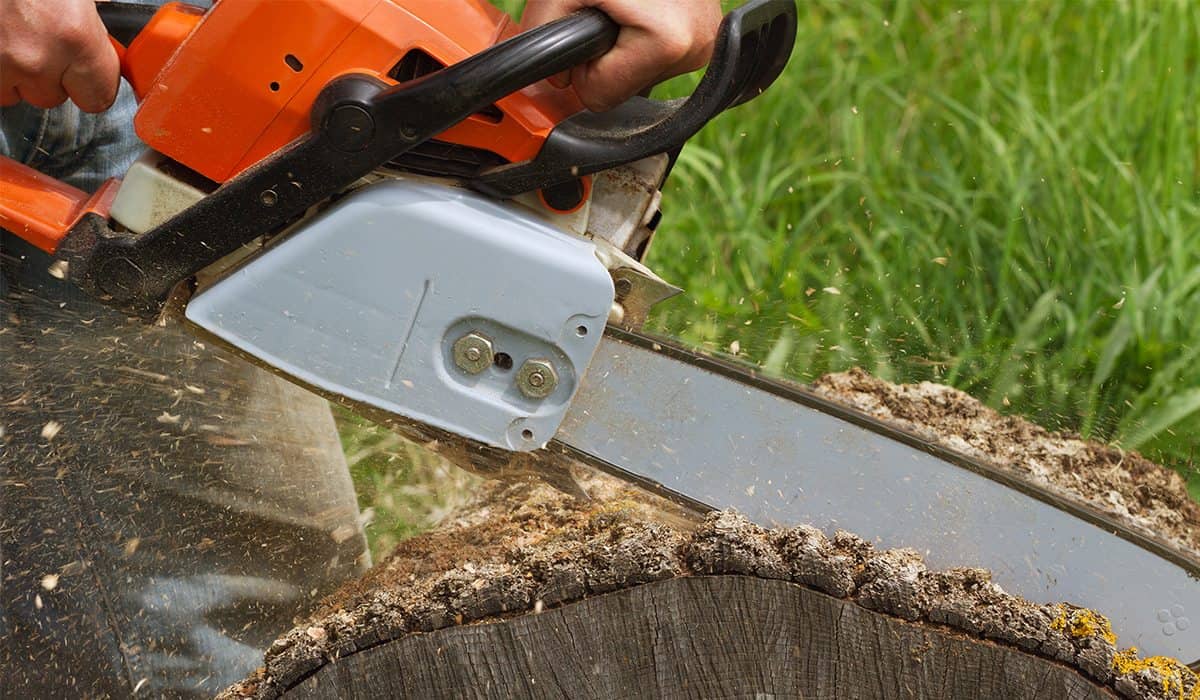
Close-up of a person using an orange and silver chainsaw to cut through a large tree trunk outdoors, with wood chips flying and green grass in the background—perfect for showcasing professional tree services Long Island, NY.

Tree Service Process Nesconset

Here's Exactly How We Handle Your Trees

First, we come out and assess what you’re dealing with. Not every tree problem requires removal, and not every healthy tree needs major work. We’ll tell you what actually needs to be done and what can wait. You get a clear explanation and a written estimate with no surprises.

When we show up for the work, we come prepared. That means the right equipment for your specific situation, proper safety gear, and a plan that protects your property. We section down trees carefully, grind stumps below ground level, and handle the cleanup so you’re not left with a mess.

The job isn’t finished until your property is clean and the work area is restored. We haul away all debris unless you want us to chip it for mulch. You get your property back in better condition than when we started, with the tree problems actually solved.
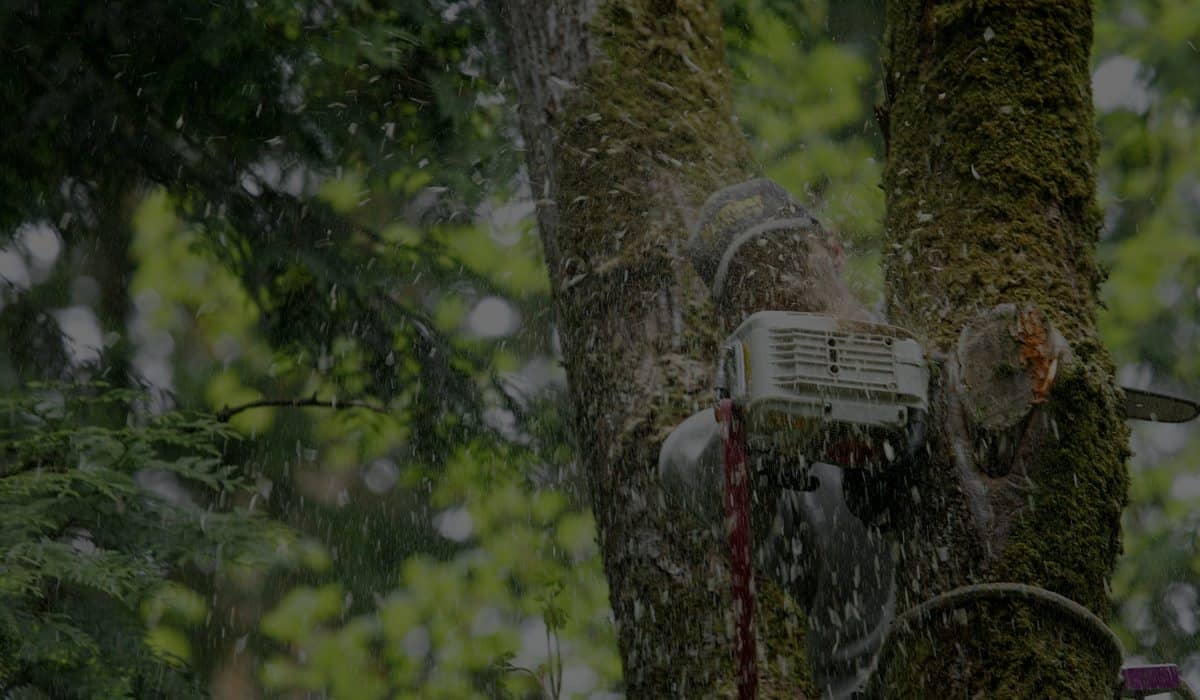
A person wearing safety gear uses a chainsaw to cut a mossy tree trunk outdoors, with sawdust and wood chips flying through the air—showcasing professional tree services Long Island, NY. Lush green foliage is visible in the background.

Ready to get started?

Explore More Services

About Competition Tree

Get a Free Consultation

Complete Tree Services Nesconset

Everything Your Trees Need Under One Roof

We handle tree removal when trees are dead, diseased, or positioned where they’re going to cause problems. This includes emergency removal when storms bring trees down and you need access restored quickly. Our equipment can handle large trees in tight spaces without tearing up your landscaping.

Tree trimming and pruning keep healthy trees healthy while removing branches that threaten your roof, power lines, or walkways. There’s a right way and wrong way to prune trees, and the wrong way can kill them or make them more likely to fail in storms.

Stump grinding eliminates the tripping hazards and pest problems that come with leftover stumps. We grind them below ground level so you can plant grass or use the area for something else. Wood chipping turns your tree debris into useful mulch instead of waste that ends up in a landfill.
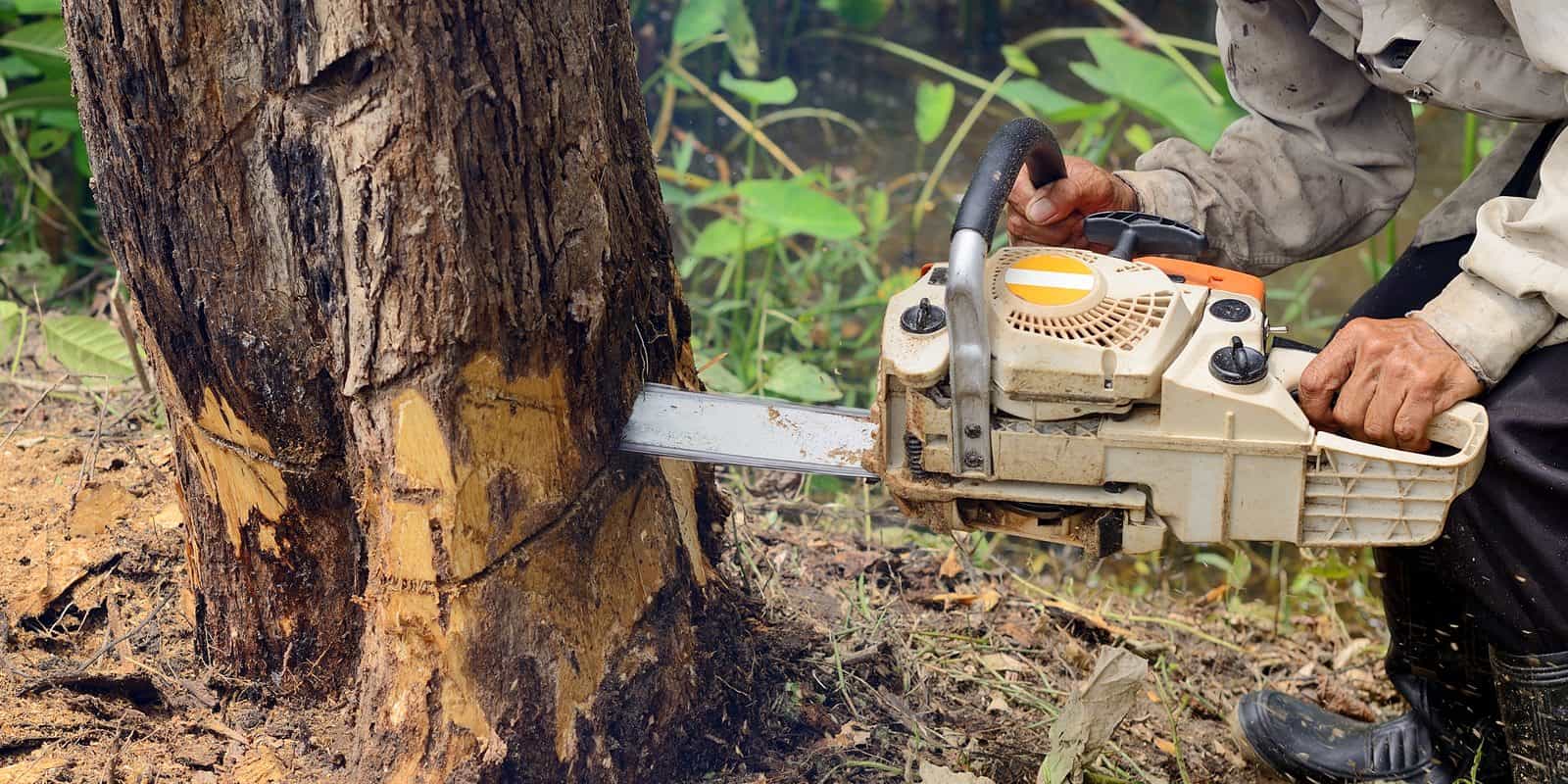
A person uses a chainsaw to cut down a large tree, making a horizontal notch near the base. The ground is covered in sawdust, and green foliage is visible—typical of professional tree services Long Island, NY.

How much does tree removal cost in Nesconset?

Tree removal costs depend on the size, location, and complexity of the job. A small tree in an open area might cost a few hundred dollars, while a large tree near your house or power lines can cost several thousand. The biggest factors are how difficult the tree is to access, how close it is to structures, and how much rigging work is required to bring it down safely. We provide written estimates that break down exactly what’s included so you know what you’re paying for. Emergency removal after storms typically costs more due to the urgent nature and potentially hazardous conditions.
Yes, we respond to emergency tree situations including storm damage, trees blocking driveways or roads, and trees that have fallen on structures. Emergency calls get priority scheduling, and we can often respond the same day depending on conditions and our current workload. Keep in mind that emergency work is more expensive than scheduled work because it requires immediate response and often involves more dangerous conditions. If a tree has fallen on power lines, contact your utility company first – we can’t work around live electrical wires until they’ve been disconnected by the power company.
Dead trees should always be removed because they’re unpredictable and will eventually fall. Signs of a dying tree include bare branches during growing season, fungal growth at the base, large sections of missing bark, or a significant lean that developed recently. Trees with major structural damage from storms, extensive disease, or root problems that compromise stability also typically need removal. However, many tree problems can be addressed with proper pruning or treatment. We can assess your specific situation and let you know whether removal is necessary or if other options might work. When in doubt, it’s worth having a certified arborist take a look.
Complete cleanup is included in our tree service. We remove all branches, logs, and debris from your property unless you specifically request otherwise. For tree removal jobs, we can either haul everything away or chip smaller branches into mulch that you can keep for your landscaping. Stump grinding includes removing the wood chips, though some customers prefer to keep them as natural mulch for garden beds. We also rake up loose debris and make sure your property is left clean. The only exception might be if your tree work generates an unusually large amount of usable firewood that you want to keep – we can stack that for you instead of hauling it away.
Yes, we carry full licensing and insurance coverage including general liability and workers’ compensation. This protects you from liability if someone gets injured on your property during tree work, and it covers property damage if something goes wrong during the job. Tree work involves significant risks – heavy equipment, falling branches, and work at height – so proper insurance isn’t optional. We can provide proof of insurance before starting any work. Be very cautious about hiring tree services that can’t provide current insurance certificates. If they get hurt on your property or damage something, you could be held liable for costs that insurance should cover.
Late fall through early spring is generally the best time for most tree trimming because trees are dormant and won’t be stressed by pruning. This timing also makes it easier to see the tree’s structure without leaves in the way. However, dead or dangerous branches should be removed immediately regardless of season. Some trees have specific timing requirements – for example, maples and birches can “bleed” sap if pruned in late winter, though this doesn’t harm the tree. Oak trees should not be pruned during certain months when oak wilt disease is most likely to spread. Emergency pruning after storm damage obviously can’t wait for ideal timing. We can advise you on the best timing for your specific trees and situation.