Preparing Your Trees for Winter: Long Island Homeowner’s Checklist
Prepare your Long Island trees for winter with this comprehensive homeowner's checklist covering pruning, mulching, wrapping, and professional inspections.
Share:
Summary:
Fall Tree Inspection and Pruning for Winter Safety
Before winter hits Suffolk County, your trees need a thorough health check. Walk your property and look for dead branches, cracks in bark, or limbs hanging over your house, garage, or power lines. These become dangerous projectiles when loaded with snow and ice.
Strategic pruning removes weak points before they become expensive problems. Focus on dead wood, crossing branches, and anything that could hit structures during storms. You’re not just improving your tree’s health—you’re preventing thousands in potential damage when the next big storm rolls through.
Which Branches Need Removal Before Winter Storms
Dead branches are obvious candidates, but winter pruning goes deeper. Look for branches that rub against each other—these create wounds that invite disease and weaken over time. Remove any limbs growing straight up or down, as these have weak attachment points.
Pay special attention to branches over your house, driveway, or neighbor’s property. A 20-pound branch becomes a 100-pound missile when loaded with ice. Check for cracks or splits in bark where branches meet the trunk. These are failure points waiting to happen.
Long Island’s frequent freeze-thaw cycles make matters worse. Water gets into cracks, freezes, expands, and splits branches further. What looks manageable in November becomes a tree emergency by February. The key is identifying these problems while you can still address them safely.
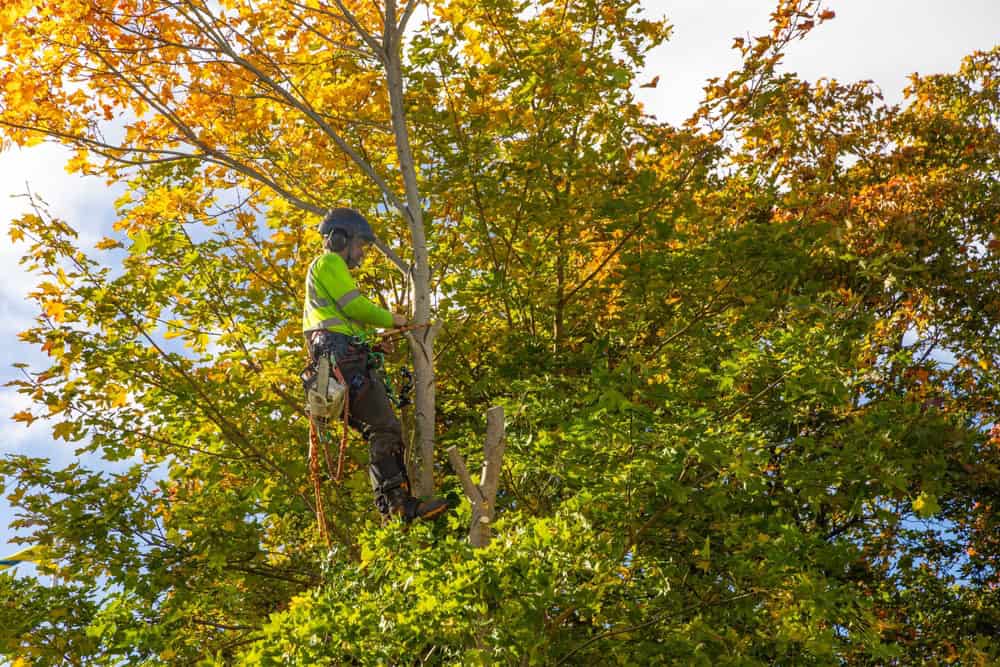
Don’t forget to look up. Branches that seem fine from ground level might be hanging by bark threads 30 feet up. If you can’t see clearly or reach safely with basic tools, that’s your signal to call professionals. Trying to save a few hundred dollars on pruning often costs thousands in storm damage later.
Best Timing for Winter Tree Pruning on Long Island
Late fall through early winter offers the ideal pruning window for most Long Island trees. Once leaves drop, you can see the tree’s structure clearly. The tree is entering dormancy, so pruning wounds heal better and there’s less stress on the plant.
Avoid pruning during active growth periods in spring and early summer. Fresh cuts during growing season invite pests and disease. Also skip pruning during extreme cold snaps—frozen wood can shatter rather than cut cleanly, creating ragged wounds that heal poorly.
Different tree species have specific timing needs. Oak trees should only be pruned in winter to avoid oak wilt disease. Maples can “bleed” sap if pruned too late in winter, though this won’t harm the tree. Flowering trees like dogwoods are best pruned right after blooming.
Weather matters more than calendar dates. Choose dry days when temperatures are above freezing. Wet conditions spread disease between cuts, and frozen tools don’t work properly. If you’re unsure about timing for specific species, Suffolk County arborists can provide guidance based on your exact trees and local conditions.
The goal isn’t perfection—it’s prevention. Focus on obvious hazards first, then work on improving tree structure. A few strategic cuts now prevent major problems later. Remember, you can always prune more, but you can’t put branches back once they’re cut.
Mulching and Root Protection for Harsh Long Island Winters
Your tree’s roots are working all winter, even when everything above ground looks dormant. Long Island’s freeze-thaw cycles can damage these critical systems if they’re not properly insulated. Smart mulching creates a protective barrier that maintains steady soil temperatures and prevents root damage.
The key is timing and technique. Apply mulch after the ground begins to freeze, typically late November or early December. This prevents rodents from setting up winter homes in your mulch pile while still providing the insulation your trees need.
How to Apply Winter Mulch Around Trees
Create a mulch “donut” around each tree, extending from about 6 inches from the trunk out to the drip line. Never pile mulch against the trunk—this creates perfect conditions for rot and pest problems. Think donut, not volcano.
Use 3-4 inches of organic material like wood chips, shredded leaves, or bark mulch. Deeper mulch can actually harm roots by preventing oxygen from reaching the soil. Shallower mulch won’t provide adequate insulation against temperature swings.
Wood chips work exceptionally well for Long Island conditions. They break down slowly, providing long-term benefits, and they’re often available free from local tree services. Shredded leaves are another excellent option—just make sure they’re from healthy trees without disease issues.
Avoid fresh grass clippings or thick layers of whole leaves. These create impermeable mats that suffocate roots and encourage fungal problems. If you’re using leaves, run them through a mower first to break them into smaller pieces that won’t mat down.
The mulch should look natural, not perfectly manicured. Spread it evenly but don’t worry about making it picture-perfect. You’re creating a functional barrier, not a landscape showcase. Proper mulching can mean the difference between healthy roots and expensive tree replacement after a harsh winter.
Protecting Young Trees from Winter Damage
Newly planted trees and young specimens need extra winter protection in Suffolk County. Their root systems haven’t developed enough to handle extreme temperature swings, and their thin bark is vulnerable to sunscald and frost cracks.
Tree wrapping provides crucial protection for the first few winters after planting. Use breathable, light-colored tree wrap or burlap, starting just above soil level and spiraling up to the first branches. Overlap each layer by about one-third for complete coverage.
Remove wraps in early spring before new growth starts. Leaving wraps on too long creates moisture problems and can harbor pests. Mark your calendar—this isn’t something you want to forget. Many homeowners lose trees to girdling when forgotten wraps cut into expanding bark.
Consider wind protection for exposed young trees. Burlap screens on the windward side can prevent desiccation from harsh winter winds. This is especially important for evergreens, which continue losing moisture through their needles all winter long.
Deep watering before ground freeze is critical for young trees. Their limited root systems can’t access deep moisture like established trees. Give them a thorough soaking in late fall, then mulch heavily to retain that moisture through winter. This combination of hydration and insulation gives young trees their best chance of surviving their first Long Island winter intact.
Schedule Your Professional Winter Tree Check-Up
Winter tree preparation protects your property investment and keeps your family safe during Long Island’s harsh weather. Focus on removing hazardous branches, applying proper mulch, and protecting young trees from temperature extremes.
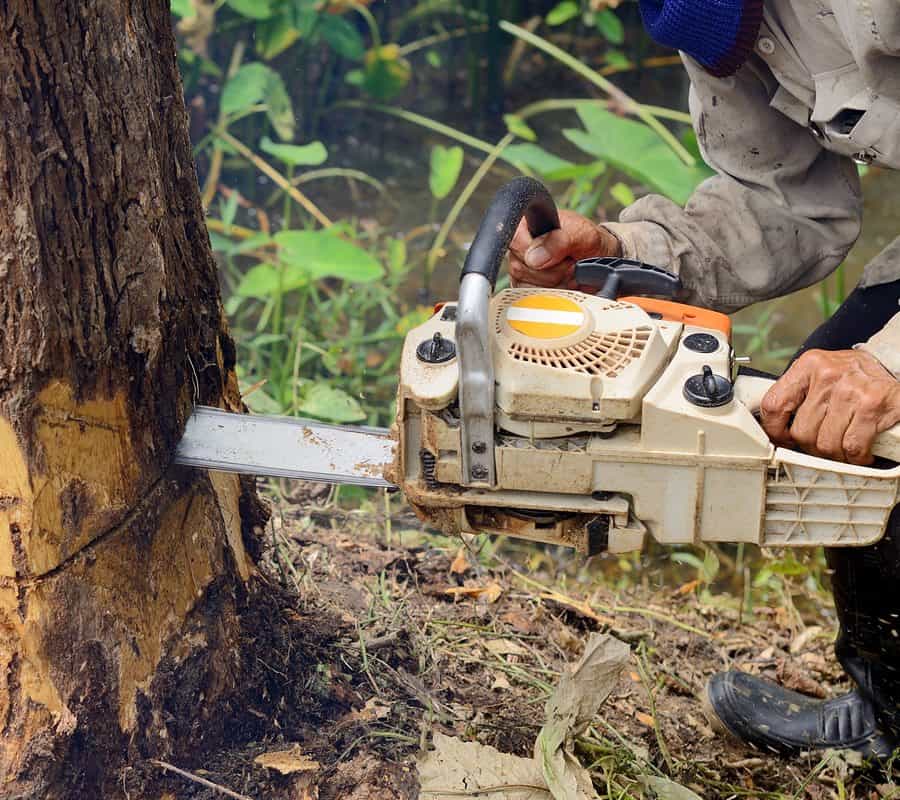
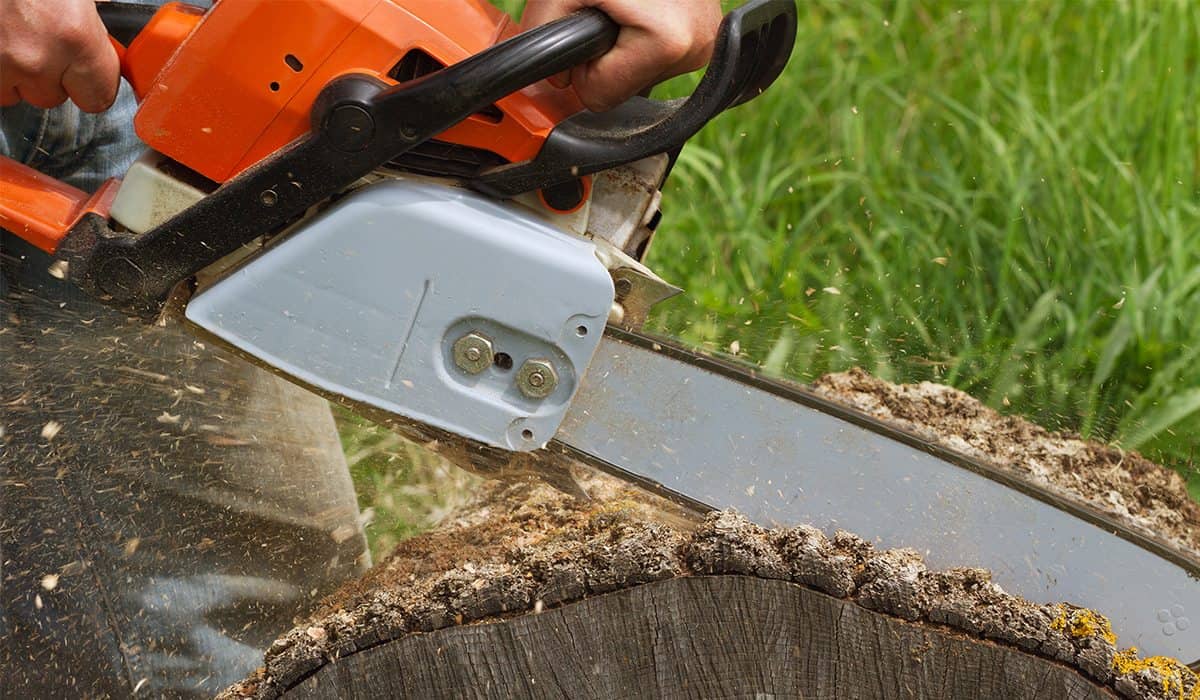
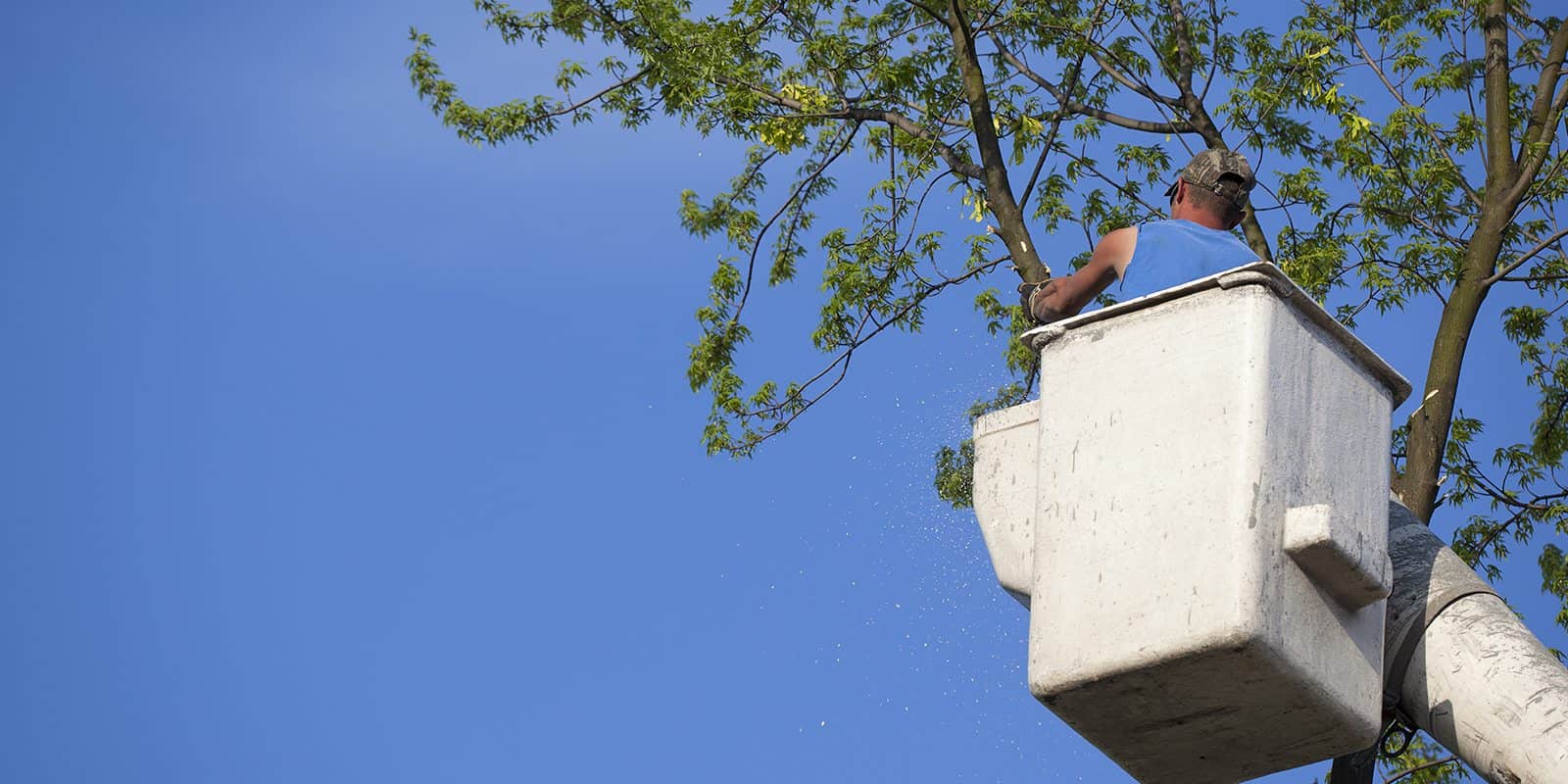
Some tasks you can handle yourself, but others require professional expertise. Large tree pruning, trees near power lines, and structural assessments need trained arborists with proper equipment. The cost of professional service is minimal compared to storm damage repairs.
Don’t wait until the first winter storm warning to think about your trees. Schedule your winter tree check-up with us now, while weather conditions allow safe work and before the busy storm season begins.
Article details:
- Published by:
- Competition Tree
- Published to:
- Last modified:
- December 4, 2025
Share:
Continue learning: