Pruning vs Trimming: Which Tree Service Is Right for You?
Long Island homeowners often wonder whether they need pruning, trimming, or complete tree service for their property's trees.
Share:
Summary:
Tree Pruning vs Tree Trimming: Understanding the Key Differences
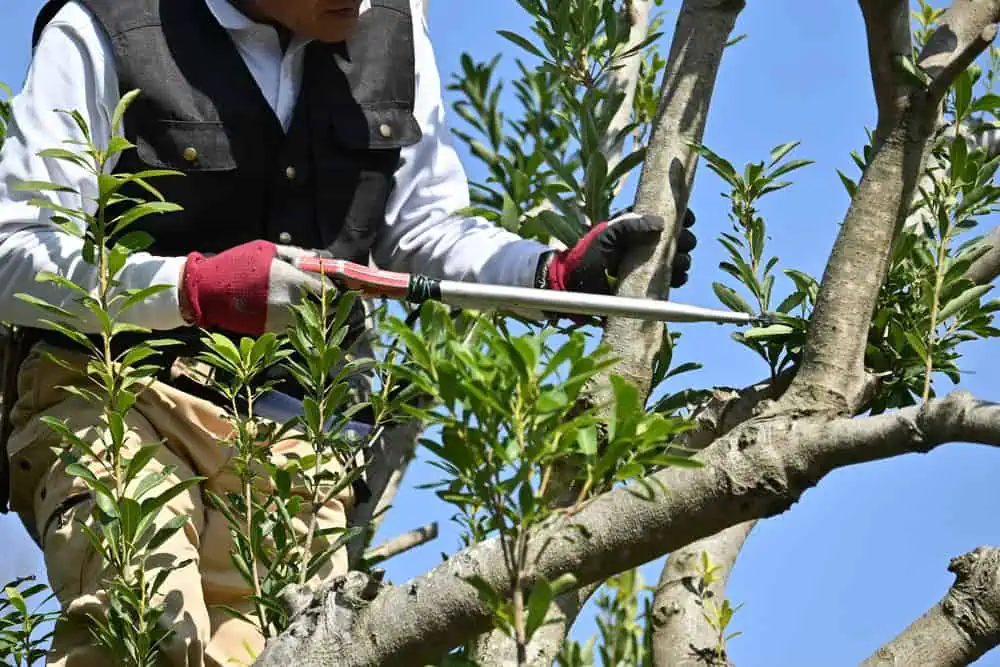
Tree pruning and tree trimming aren’t interchangeable terms, though many Long Island homeowners use them that way. Pruning focuses on your tree’s health and structure by removing dead, diseased, or problematic branches. It’s surgical work that improves the tree’s long-term vitality and prevents future issues.
Tree trimming, on the other hand, is primarily about appearance and size control. You trim to shape trees, remove overgrowth, and keep branches away from your house, power lines, or other structures. Think of pruning as healthcare for your trees, while trimming is more like a haircut.
When Long Island Trees Need Pruning for Health and Safety
Your Long Island trees need pruning when you spot dead branches, signs of disease, or structural problems that could become safety hazards. Dead wood doesn’t just look bad—it attracts pests and can fall unexpectedly during storms. Our coastal winds and salt air create unique challenges that make proper pruning even more critical here.
Look for branches that rub against each other, creating wounds where disease can enter. Pruning removes these problem areas before they compromise the entire tree. You’ll also want to prune when branches grow too close to your roof or create blind spots in your driveway.
The health benefits go beyond safety. Proper pruning improves air circulation through the canopy, reducing fungal problems that thrive in Long Island’s humid summers. It also redirects the tree’s energy toward healthy growth instead of supporting dying branches. When you remove diseased portions early, you often save the entire tree from more serious problems down the road.
Professional arborists know how to make cuts that heal properly and won’t create entry points for disease. We understand which branches to remove and which ones provide essential structure. This expertise becomes especially valuable with mature trees that represent significant investments in your property value.
Tree Trimming for Appearance and Property Management
Tree trimming keeps your Long Island property looking well-maintained and prevents overgrowth from becoming a bigger problem. You’ll typically trim trees to maintain their shape, control their size, or clear branches that interfere with structures, views, or utility lines.
Regular trimming prevents trees from outgrowing their space and becoming expensive removal projects. Those branches scraping against your siding during windstorms? Trimming solves that before they cause damage. Overgrown trees that block natural light from reaching your lawn or garden also benefit from strategic trimming.
The timing for trimming differs from pruning. While health-focused pruning can happen almost any time (except during certain disease-prone periods), trimming works best during specific seasons. Late winter trimming, before spring growth begins, gives you the cleanest results and doesn’t stress the tree.
Summer trimming can help control vigorous growth, but you need to be careful not to remove too much foliage when trees need it most for photosynthesis. Fall trimming should be minimal since cuts may not heal properly before winter dormancy sets in. Understanding these seasonal patterns helps you get better results and avoid stressing your trees unnecessarily.
Full Tree Service: When Long Island Homeowners Need Complete Solutions
Full tree service goes beyond pruning and trimming to include removal, stump grinding, emergency response, and comprehensive property assessments. You need this level of service when individual trees pose serious risks, when you’re dealing with storm damage, or when your property requires systematic tree management.
Tree service companies handle the complex jobs that require specialized equipment, insurance coverage, and expertise that goes beyond basic maintenance. We coordinate with utility companies, obtain necessary permits, and manage large-scale projects safely.
Emergency Tree Service After Long Island Storms
Long Island’s weather patterns—from nor’easters to summer storms—create regular demand for emergency tree service. When trees fall on homes, block driveways, or create immediate safety hazards, you need professional response that goes far beyond routine trimming or pruning.
Emergency tree service includes safe removal of fallen trees from structures, clearing blocked access routes, and stabilizing damaged trees that might fall. These situations require specialized equipment like cranes, bucket trucks, and rigging systems that most homeowners don’t have access to. More importantly, they require expertise in working around power lines, damaged structures, and unstable trees.
The cost of emergency service runs higher than routine work, but the alternative—leaving dangerous situations unaddressed—poses much greater risks. Professional tree services carry the insurance coverage and safety training necessary to handle these high-risk scenarios. We also understand how to work with your insurance company to document storm damage properly.
Response time matters during emergencies. We maintain equipment and crews ready to respond quickly when storms hit. We understand local conditions and have relationships with utility companies that help expedite repairs when trees affect power lines or other infrastructure.
Tree Removal and Stump Grinding Services
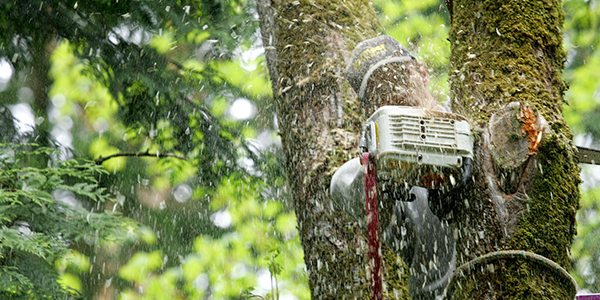
Sometimes trees can’t be saved through pruning or trimming. Tree removal becomes necessary when trees are dead, severely diseased, structurally compromised, or simply planted in the wrong location for your property’s needs. Professional removal ensures the job gets done safely without damaging surrounding structures or landscaping.
The removal process involves much more than cutting down the tree. Professional services include obtaining required permits (particularly important in Nassau and Suffolk County’s protected areas), coordinating with utility companies when trees are near power lines, and managing the logistics of safely bringing down large trees in confined spaces.
Stump grinding typically follows tree removal, eliminating the remaining stump and root system. Leaving stumps creates ongoing problems—they attract pests, make lawn maintenance difficult, and can be liability issues. Professional stump grinding goes below ground level, allowing you to plant new landscaping or simply have a clean, usable yard space.
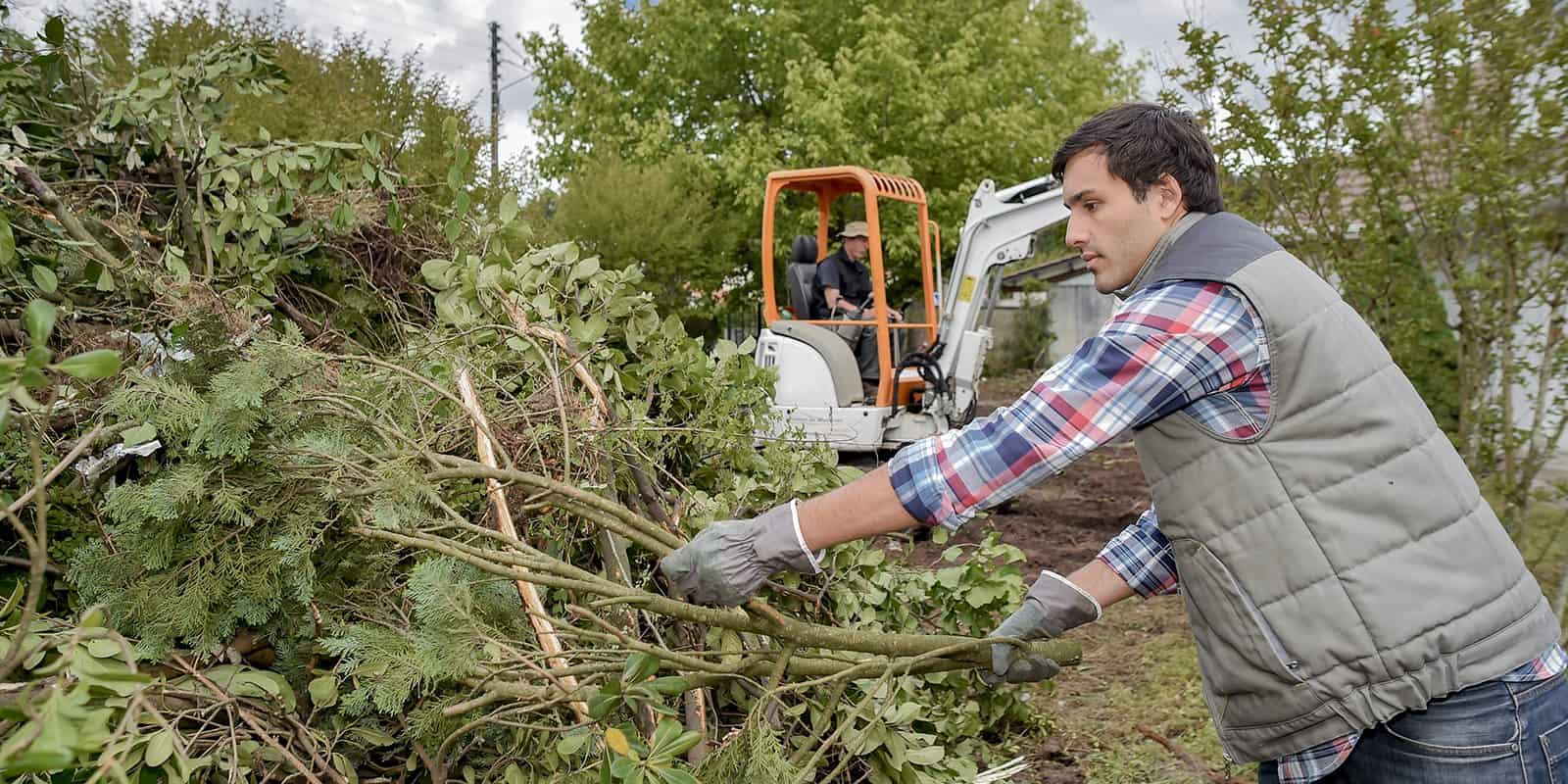
The debris removal aspect shouldn’t be underestimated. A mature tree generates enormous amounts of wood, branches, and leaves that need proper disposal. We handle this completely, often converting the material into useful mulch or firewood if you want to keep it. We also coordinate with local disposal facilities that can handle organic waste properly.
Choosing the Right Tree Care Approach for Your Long Island Property
The choice between pruning, trimming, or full tree service depends on your specific situation, but don’t let cost alone drive your decision. Proper tree care protects your property investment and keeps your family safe. When you’re unsure what your trees need, start with a professional assessment that evaluates their health, structural integrity, and relationship to your property.
Remember that Long Island’s coastal conditions create unique challenges for tree health. Working with experienced local professionals who understand these conditions gives you better results and helps you avoid costly mistakes. Whether you need targeted pruning for tree health, regular trimming for maintenance, or comprehensive tree service for complex situations, the right approach keeps your property safe and attractive year-round.
For expert tree care that understands Long Island’s unique conditions, Competition Tree provides the experience and equipment to handle any situation your property demands.
Article details:
- Published by:
- Competition Tree
- Published to:
- Last modified:
- June 9, 2026
Share:
Continue learning: