How to Prevent Falling Branches, Pests, and Tree Problems
Essential prevention strategies to protect your Long Island property from dangerous tree issues, falling branches, and costly emergency repairs.
Share:
Summary:
Regular Tree Inspections: Spotting Problems Before They Become Emergencies
The most effective way to prevent tree-related disasters is catching problems while they’re still manageable. Most homeowners only notice issues when branches are already falling or when pest damage becomes severe enough to require emergency tree removal .
Smart property owners inspect their trees twice yearly—early spring before new growth begins and late fall after leaves drop. This timing reveals problems during their most visible stages, giving you maximum time to address issues before they become hazardous.
We recommend focusing on three critical areas during every inspection: structural integrity, pest activity, and overall tree health. Each area provides different clues about potential future problems.
Identifying Dangerous Structural Weaknesses in Your Trees
Structural failures cause the most dramatic and dangerous tree emergencies on Long Island. These problems develop gradually, making them easy to miss until they become life-threatening hazards during the next big storm.
Start your inspection at the base of each tree. Look for exposed roots, soil mounding, or any signs that the tree is leaning more than it used to. These symptoms indicate root system problems that compromise the entire tree’s stability. Trees with compromised roots are prime candidates for complete failure during high winds.
Move up to examine the trunk carefully. Vertical cracks, especially those that spiral around the tree, signal internal stress that could lead to catastrophic splitting. Horizontal cracks often indicate impact damage or internal decay that weakens the entire structure.
Pay special attention to where large branches connect to the main trunk. These junction points bear enormous loads and are common failure spots. Look for cracks, bark inclusion, or any signs that the connection is weakening. Branch failures at these points can cause massive property damage and serious injuries.
Fungal growth on the trunk or major branches is a red flag that many homeowners overlook. Those mushrooms or shelf-like growths aren’t just unsightly—they indicate serious internal decay that has likely been developing for years. The visible fungi represent just a fraction of the actual damage occurring inside the wood.
Dead branches pose immediate hazards and should be removed regardless of size or location. However, patterns of dead branches can reveal larger problems. If dead wood is concentrated in one area, it might indicate localized disease, pest damage, or structural stress that needs professional attention.
Early Detection of Pest Infestations and Tree Diseases
Pest and disease problems start small but can quickly spread throughout your property if left untreated. Early detection gives you the most treatment options and the best chance of saving affected trees without resorting to removal.
Insect damage often appears as small holes in the bark, sawdust-like material around the tree base, or unusual leaf patterns. Emerald ash borer creates distinctive D-shaped exit holes, while other boring insects leave round holes of various sizes. Any unusual holes in your tree’s bark warrant immediate professional inspection.
Changes in leaf color, size, or timing can indicate pest or disease problems. Leaves that yellow or brown out of season, spots or unusual markings, or premature leaf drop all suggest underlying health issues that need attention. Some problems affect only certain species, while others can spread to multiple tree types in your landscape.
Bark abnormalities like cankers, oozing, or unusual growths often indicate bacterial or fungal infections. These problems can girdle branches or the entire trunk, cutting off nutrient flow and eventually killing affected areas. Early treatment can often save the tree, but advanced infections may require branch removal or complete tree removal.
Root diseases are particularly dangerous because they’re hard to detect until significant damage has occurred. Signs include gradual decline in overall tree health, yellowing leaves, reduced growth, and increased susceptibility to other problems. Trees with root diseases often become unstable and pose falling hazards.
The key to managing these issues is understanding that healthy trees naturally resist most pests and diseases. Trees stressed by drought, soil compaction, construction damage, or poor maintenance become vulnerable to problems they would normally fight off successfully.
Proactive Tree Maintenance Strategies That Prevent Major Problems
Prevention costs a fraction of emergency tree removal and property repairs. Establishing a regular maintenance routine keeps your trees healthy while dramatically reducing the risk of dangerous failures that threaten your family and property.
Effective tree care involves understanding that different species have different needs and that these needs change as trees mature. A young maple requires different attention than a mature oak, and both need adjusted care during drought versus wet years.
The most successful maintenance programs combine several key practices that work together to build strong, resilient trees capable of withstanding Long Island’s challenging weather conditions.
Strategic Tree Pruning for Safety and Long-term Health
Proper pruning is your most powerful tool for preventing tree problems, but incorrect pruning can actually increase risks rather than reducing them. Understanding when, how, and what to prune makes the difference between helpful maintenance and harmful damage.
The primary goal of preventive pruning is removing potential hazards while maintaining the tree’s natural structure and health. Start by removing the “four D’s”—dead, diseased, damaged, and dangerous branches. These pose immediate risks and provide no benefit to the tree’s health or appearance.
Next, address structural issues like branches that cross and rub against each other, weak branch connections, or growth that competes with the main leader. These problems worsen over time and often lead to branch failures during storms. Correcting them while branches are still manageable prevents much larger problems later.
Timing significantly affects pruning success. Most trees benefit from dormant season pruning, typically late fall through early spring. This timing minimizes stress and reduces the risk of pest and disease entry through fresh cuts. However, dead branches should be removed immediately regardless of season since they pose ongoing hazards.
Proper cutting technique determines how well trees heal and whether they develop future problems. Make cuts just outside the branch collar—the swollen area where the branch connects to its parent. This positioning allows natural healing while preventing decay from entering the main structure.
Avoid leaving stubs, which cannot heal properly and often become entry points for pests and diseases. Also avoid cutting too close to the trunk, which damages the tree’s natural defense systems and can lead to serious decay problems that compromise structural integrity.
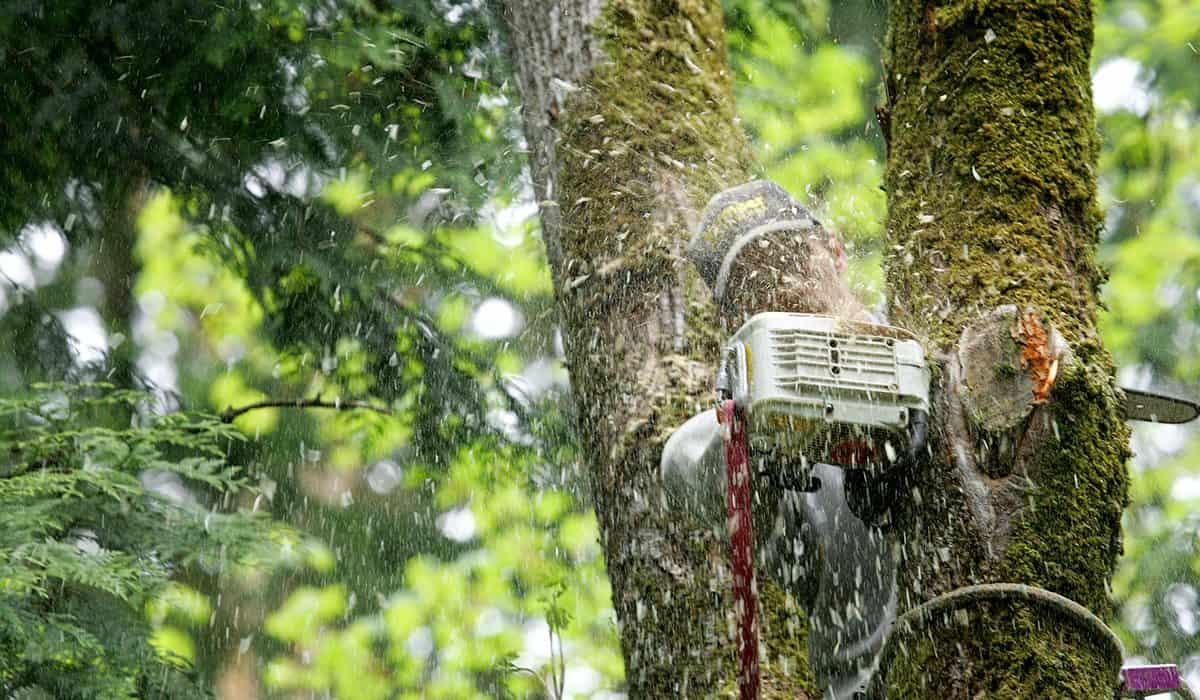
Large branch removal requires professional equipment and expertise. The risks of property damage or personal injury from improper large branch removal far exceed the cost of professional tree service. Branches over power lines, near buildings, or requiring ladder work should always be handled by experienced professionals.
Creating Optimal Growing Conditions for Tree Resilience
Healthy trees naturally resist pests, diseases, and storm damage better than stressed trees. Creating ideal growing conditions is one of the most effective long-term prevention strategies available to Long Island property owners.
Soil health forms the foundation of tree health. Compacted soil prevents proper root development and water infiltration, making trees more susceptible to drought stress and wind damage. Areas with heavy foot traffic or previous construction activity often have compaction problems that need correction.
Proper mulching addresses multiple tree health issues simultaneously. A 2-4 inch layer of organic mulch around the tree base conserves moisture, moderates soil temperature, and gradually improves soil structure as it decomposes. Keep mulch several inches away from the trunk to prevent rot and pest problems that can develop in constantly moist bark.
Correct watering practices significantly impact tree health, especially during establishment and drought periods. Deep, infrequent watering encourages deep root development that provides better stability and drought resistance. Frequent shallow watering creates weak surface root systems that are more vulnerable to damage.
Most established trees need approximately one inch of water weekly during the growing season, including rainfall. Young or recently planted trees may require more frequent attention until their root systems become well established. Proper irrigation scheduling prevents both drought stress and overwatering problems.
Protection from mechanical damage often gets overlooked but proves extremely important for long-term tree health. Lawn mowers, string trimmers, and construction equipment cause wounds that never fully heal and provide entry points for pests and diseases. Installing protective barriers or maintaining mulched areas around trees eliminates most mechanical damage risks.
Consider long-term space requirements when evaluating existing trees or planning new plantings. Trees planted too close to buildings, power lines, or other structures will eventually create problems that could have been avoided with better initial placement. Sometimes tree removal becomes necessary simply because a tree has outgrown its location.
Protecting Your Long Island Property Through Professional Tree Care
Tree-related emergencies are almost always preventable when you recognize warning signs early and take appropriate action before problems become hazardous. Regular inspections, proper maintenance, and professional intervention when needed can save thousands in property damage while ensuring your family’s safety.
The investment in preventive tree care delivers significant returns through reduced risk, lower long-term costs, and healthier trees that enhance your property value. Don’t wait for the next storm to discover whether your trees pose hidden dangers to your home and family.
For Long Island property owners concerned about tree safety, we at Competition Tree provide expert assessment and preventive care services. With over 23 years of experience serving Nassau and Suffolk Counties, we understand the specific challenges facing trees in our region and can help you develop a comprehensive maintenance plan that keeps your property safe year-round.
Article details:
- Published by:
- Competition Tree
- Published to:
- Last modified:
- June 9, 2026
Share:
Continue learning: