What to Expect During a Professional Stump Grinding Appointment
Professional stump grinding removes unsightly stumps safely and efficiently. Here's exactly what Long Island homeowners can expect during the appointment.
Share:

Summary:
How Professional Stump Grinding Works
Stump grinding uses a specialized machine with a rotating cutting wheel covered in carbide-tipped teeth. The grinder chews through the wood, turning the stump into small chips and sawdust. Unlike stump removal, which pulls out the entire root system, grinding takes the stump down to several inches below ground level while leaving the roots to decompose naturally underground.
The process is efficient. Most stumps can be ground in anywhere from 15 minutes to a couple of hours, depending on size and complexity. A small stump from a young tree might take less time than you’d spend mowing the lawn. A massive oak that’s been there for decades will take longer, but even large stumps don’t require days of work.
What makes this method popular on Long Island is that it’s less invasive than full removal. Your lawn doesn’t get torn up by heavy excavation equipment, and you’re not left with a crater that needs tons of fill dirt. The grinding process is contained, controlled, and designed to minimize disruption to your property.
What Happens Before the Grinding Starts
Before any grinding begins, our crew will assess your property and the stump itself. We’re looking at the size, the species of tree, how close it is to structures or obstacles, and whether there are any underground utilities nearby. This isn’t just a quick glance—it’s a professional evaluation that determines the safest approach.
One of the first things we’ll do is check for underground utilities. In Long Island, that means making sure there are no water lines, gas pipes, electrical cables, or fiber optic lines running under or near the stump. We coordinate with utility companies or use locating services to mark these lines. Hitting a gas line or electrical cable isn’t just expensive—it’s dangerous. We take this step seriously because your safety and ours depends on it.
The area around the stump gets cleared next. Any rocks, sticks, metal objects, or debris near the base need to be removed. These can damage the grinder’s cutting wheel or become projectiles when the machine is running. We’ll also trim back any grass or plants immediately surrounding the stump to improve visibility and access.
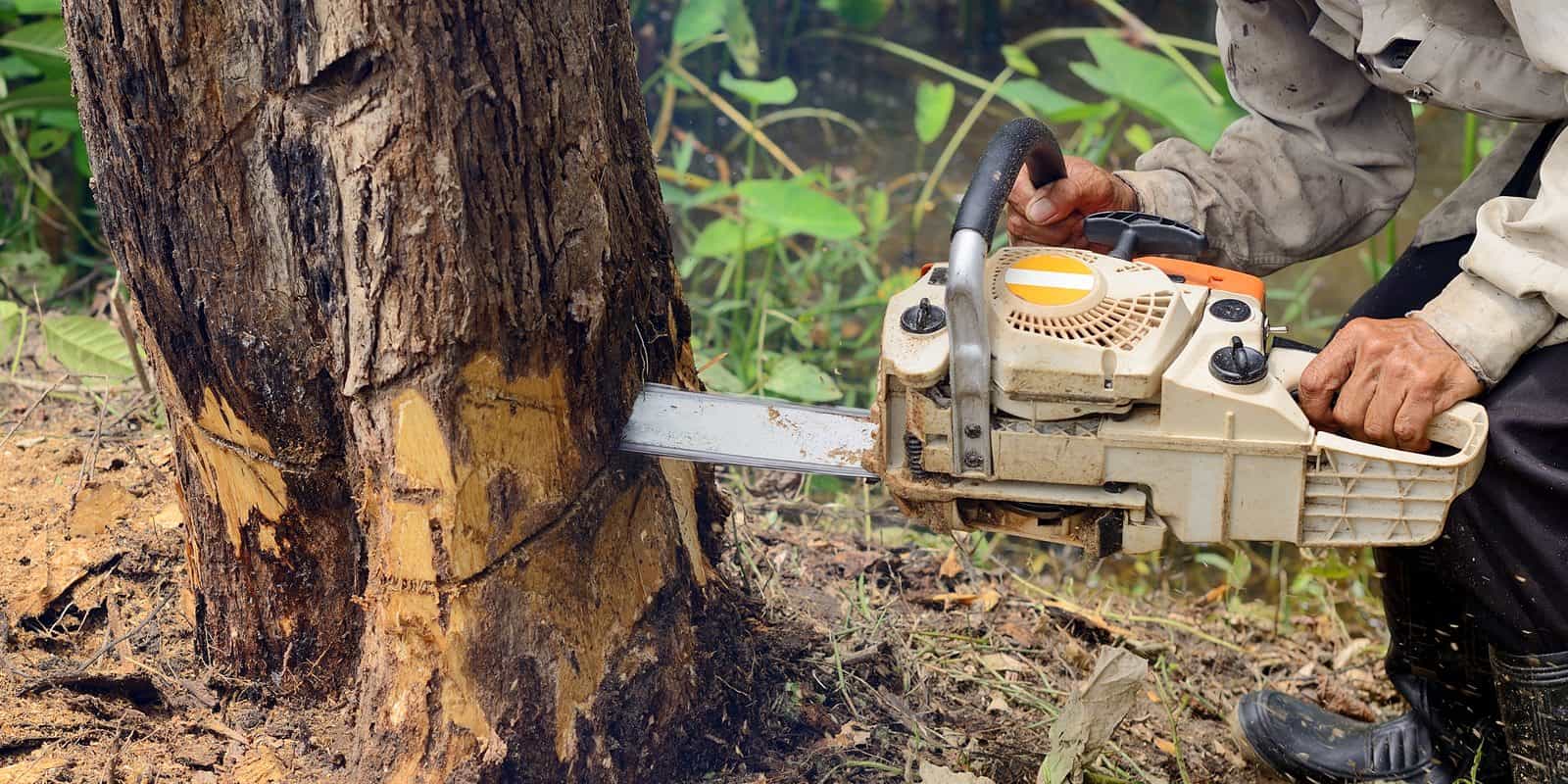
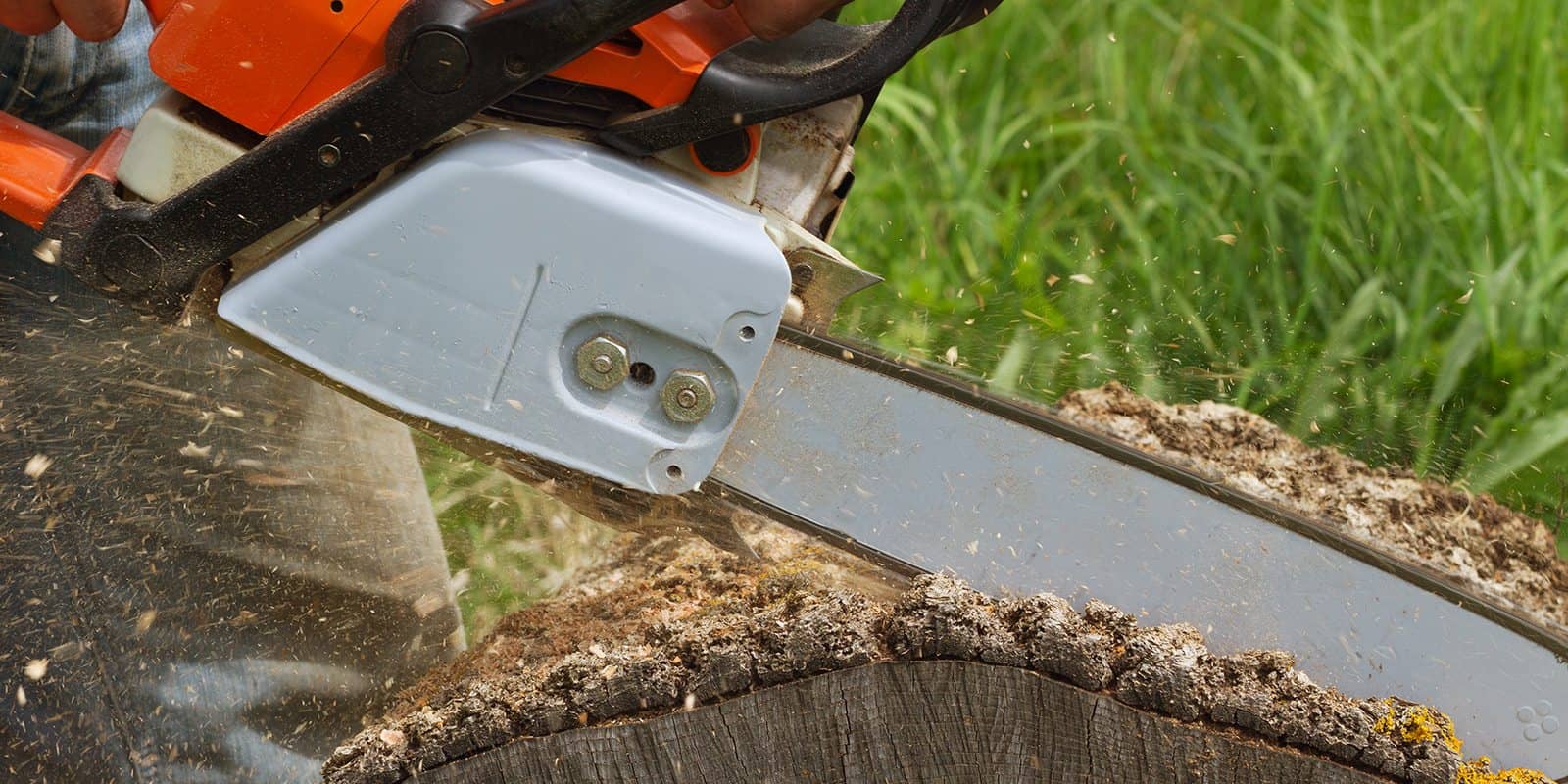
If the stump is still tall—maybe it was cut a couple feet above ground—we’ll use a chainsaw to trim it down as close to ground level as possible. This reduces the amount of grinding needed and speeds up the overall process. Less wood to grind means less time, less wear on the equipment, and ultimately a more efficient job.
You might also see our crew setting up safety barriers or caution tape around the work area. Stump grinding creates flying wood chips and debris, and keeping people, pets, and property at a safe distance is part of the process. If your stump is near a house, fence, or vehicle, we may use protective shields or plywood barriers to prevent damage.
The Stump Grinding Process Step by Step
Once the site is prepped, the actual grinding begins. Our crew positions the stump grinder so it’s stable and the cutting wheel is facing the stump. The machine gets raised slightly, then lowered onto the edge of the stump. Grinding doesn’t happen all at once—it’s done in layers, a few inches at a time, working methodically across the entire surface.
The operator moves the cutting wheel side to side and back and forth, chewing through the wood gradually. Rushing this process or trying to grind too deep too fast can bog down the engine or damage the machine. Our professional operators know how to maintain a steady pace that’s both efficient and safe.
As the grinding progresses, wood chips start piling up. You’ll be surprised at how much material comes out of even a modest-sized stump. The volume of wood chips is typically two to three times the size of the original stump. That’s because the grinding process breaks the dense wood into loose, fluffy chips mixed with sawdust and soil.
The standard depth for stump grinding is about four to six inches below ground level. This is deep enough to prevent regrowth, eliminate the visual eyesore, and allow you to plant grass or other landscaping over the area. If you’re planning to plant a new tree in the same spot or need deeper grinding for construction purposes, we can go deeper—sometimes 12 to 18 inches or more, depending on the equipment and your needs.
Throughout the process, the machine makes noise. It’s loud, similar to a chainsaw or heavy-duty lawn equipment. If you have neighbors close by, it’s courteous to let them know work will be happening. We work during reasonable hours and complete jobs quickly enough that noise isn’t a prolonged issue.
Safety is constant during grinding. Our operators wear protective gear—safety goggles, gloves, hearing protection, and steel-toed boots. They stay focused on the machine and the work area, watching for any unexpected obstacles or changes in the stump’s condition. Hard spots, embedded metal, or hidden rocks can all affect how the grinding proceeds.
What Happens to the Wood Chips After Grinding
After the stump is ground down, you’re left with a pile of wood chips and sawdust. What happens next depends on what you’ve arranged with us. Some homeowners want the chips removed entirely. Others prefer to keep them because wood chips have several useful purposes around a property.
The most common option is to use the wood chips to fill the hole where the stump was. Our crew rakes the chips back into the depression, leveling the area with the surrounding ground. Over time, these chips will decompose and settle, so you may need to add topsoil and grass seed later to keep the area level. But filling the hole with the grindings is a practical, immediate solution that doesn’t require hauling in extra materials.
If you have garden beds, landscaping areas, or trees that could benefit from mulch, wood chips from stump grinding work perfectly. They help retain soil moisture, regulate temperature, suppress weeds, and add organic matter as they break down. You can spread a three-to-six-inch layer around plants, shrubs, or trees. Just keep the mulch a couple feet away from your home’s foundation to avoid attracting insects.
Using Wood Chips as Mulch or Compost
Wood chip mulch from stump grinding isn’t quite the same as the bagged mulch you buy at a garden center, but it works just as well—sometimes better. Fresh wood chips are coarser and mixed with sawdust and a bit of soil from the grinding process. They’re untreated, natural, and free, which makes them a practical resource rather than waste.
When you use wood chips as mulch, you’re giving your garden beds several benefits. The chips create a barrier that blocks sunlight from reaching weed seeds, making it harder for weeds to take root. They also help the soil retain moisture, which means you won’t need to water as frequently during Long Island’s hot summer months. As the chips slowly decompose, they add organic matter back into the soil, improving its structure and fertility over time.
One thing to keep in mind is that fresh wood chips can temporarily tie up nitrogen in the soil as they decompose. Microorganisms breaking down the wood use nitrogen in the process, which can sometimes leave less available for your plants. This is usually only an issue if you mix the chips directly into the soil. If you’re using them as a top layer of mulch—which is the recommended approach—it’s not a concern. But if you notice any yellowing in plant leaves after mulching, a light application of nitrogen-rich fertilizer can help.
If you’re into composting, wood chips can be added to your compost pile as a carbon-rich “brown” material. They balance out nitrogen-rich “green” materials like grass clippings and vegetable scraps. The chips will take longer to break down than softer materials, but they contribute to a healthy, well-balanced compost over time. Keeping the pile moist and turning it regularly speeds up decomposition.
Another practical use for wood chips is creating pathways in your yard or garden. Spread a four-to-six-inch layer where you want a walking path, and you’ll have a natural-looking, functional surface that helps with drainage and prevents mud from being tracked around. Wood chip paths are especially useful in vegetable gardens or between landscaping beds.
Safety Precautions During the Appointment
Professional stump grinding involves powerful equipment and potential hazards, which is why safety protocols are built into every step of the process. Understanding what we’re doing to keep everyone safe helps you appreciate why certain precautions are necessary and what you can do to help.
The most obvious hazard is flying debris. When the cutting wheel hits the wood, chips, sawdust, and occasionally small rocks get thrown outward at high speed. That’s why our operators wear face shields or safety goggles and why bystanders need to stay well back from the work area. We set up barriers or caution tape to create a safety zone, typically at least 75 feet from the machine. If you have kids or pets, keep them inside during the grinding. Curious onlookers might want to watch, but it’s not worth the risk of getting hit by debris.
Underground utilities are another major safety concern. Even with utility locating services, there’s always some risk when grinding near buried lines. Our operators adjust their grinding depth based on where utilities are marked. If a water line or electrical cable runs close to the stump, we’ll grind more carefully and may not go as deep in that area. This is why hiring a licensed, insured company matters—we understand these risks and know how to work around them.
The equipment itself requires careful handling. Stump grinders are heavy, powerful machines with rotating blades that can cause serious injury if mishandled. Our operators are trained not just in how to run the machine, but in how to position it safely, especially on slopes or uneven ground. They know never to leave the machine running unattended and to keep all body parts away from the cutting wheel. This level of training and experience is what separates professional service from someone just renting equipment and hoping for the best.
Weather and ground conditions also factor into safety. Wet or muddy soil can affect the grinder’s stability and traction, increasing the risk of the machine slipping or tipping. We assess these conditions before starting and may reschedule if the ground is too soft or if weather conditions create unnecessary risks. It might seem like an inconvenience, but it’s about doing the job safely rather than rushing through it.
Noise and dust are less dramatic hazards but still worth mentioning. The grinding process is loud, and our operators wear hearing protection to prevent long-term hearing damage. Dust and fine wood particles fill the air during grinding, which is why masks or respirators are part of the safety gear. If you have respiratory sensitivities or allergies, you’ll want to stay inside while the work is happening and for a short time afterward while the dust settles.
Preparing Your Property and What to Ask
A little preparation on your end makes the appointment go smoother and helps our crew work more efficiently. Clear the area around the stump of any movable objects—lawn furniture, decorations, toys, hoses, or anything else that could get in the way or be damaged by flying debris. If you have sprinkler heads or irrigation lines near the stump, let us know so we can avoid damaging them.
Make sure there’s clear access for the equipment. Stump grinders vary in size, but even smaller models need a path wide enough to maneuver through. If the stump is in your backyard, check that gates are wide enough and that there aren’t obstacles blocking the route. We’ll ask about access during the estimate, but confirming this beforehand prevents delays on the day of service.
Before we arrive, it’s worth asking a few key questions if you haven’t already. Find out exactly what’s included in the price—does it cover just the grinding, or does it include cleanup and wood chip removal? What depth will we grind to, and is deeper grinding available if you need it? Are we licensed and insured, and will we handle utility locating, or do you need to arrange that separately? Clear answers to these questions prevent misunderstandings and ensure you’re getting the service you expect.
Once the work is done, you’ll have a level area where the stump used to be, a pile of wood chips if you’re keeping them, and a yard that’s safer and more usable than before. If you’re planning to plant grass or do additional landscaping, you might need to add topsoil over time as the wood chips settle. But the hard part—the actual stump—is gone for good. That’s what a professional stump grinding appointment delivers: a clear, safe space and one less thing to worry about on your Long Island property.
Article details:
- Published by:
- Competition Tree
- Published to:
- Last modified:
- June 9, 2026
Share:
Continue learning: