Why Stump Grinding is the Secret to a Modern, Minimalist Landscape
Stump grinding does more than clear an eyesore—it opens up your entire yard for the clean, intentional landscape design that's defining 2026.
Share:
Summary:
How Stump Grinding Creates Space for Modern Landscape Design
Landscape design in 2026 isn’t about cramming your yard full of features. It’s about intentional use of space—what designers call “soft modernism.” Think clean structure with organic elements. Defined areas that serve a purpose. Room to breathe.
Stumps kill that vibe instantly. They sit there taking up square footage you could be using for seating areas, native plantings, or pathways that actually make sense. Professional stump grinding removes the entire stump 6 to 12 inches below ground level, which means you can plant grass, install pavers, or put in new landscaping right where that stump used to sit.
The process is faster than most people expect. A typical stump takes 30 minutes to two hours depending on size, and you’re left with wood chips that can double as mulch if you want them. No giant hole. No root system blocking your plans. Just reclaimed space.
What Happens During Professional Stump Grinding
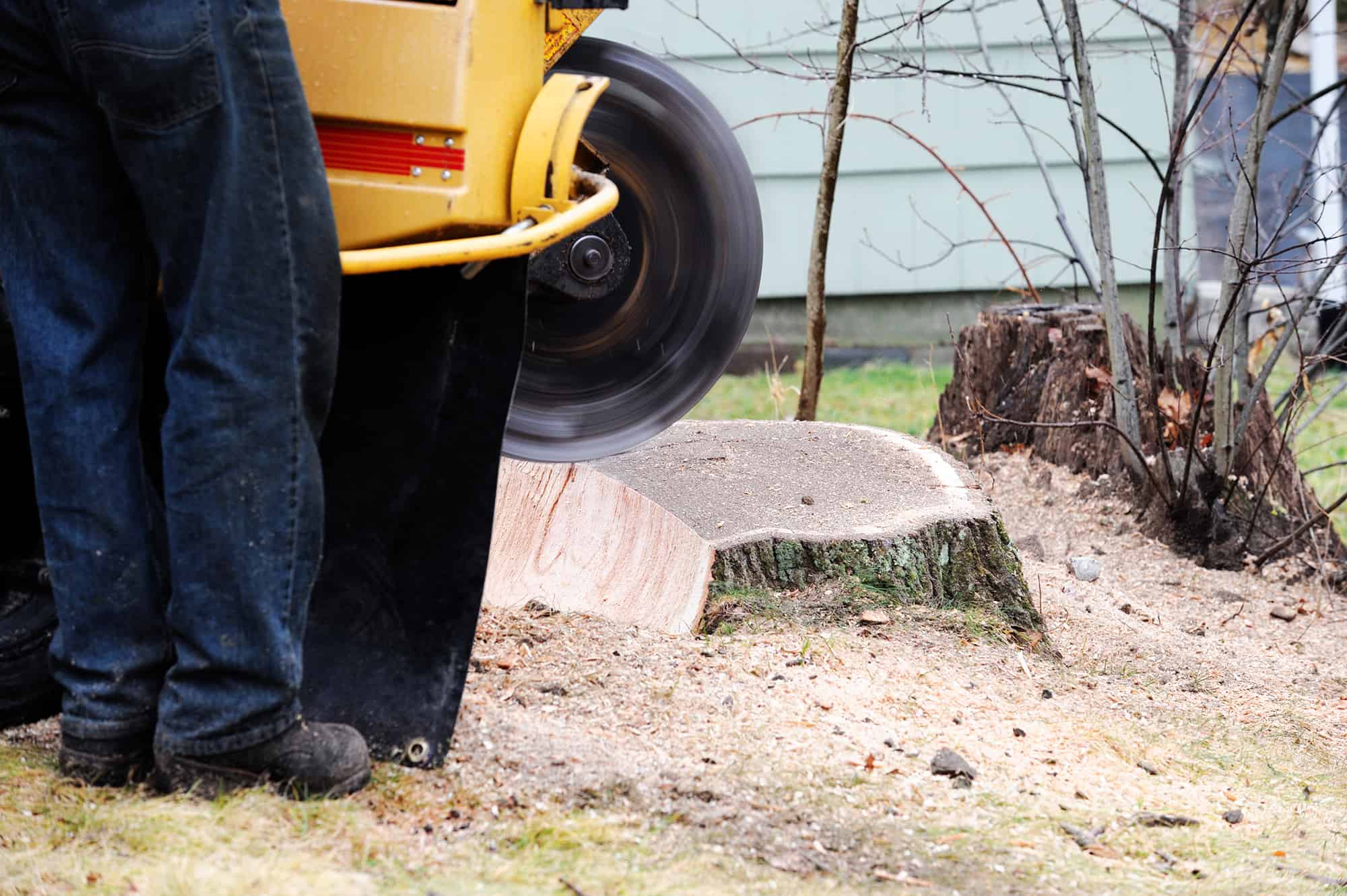
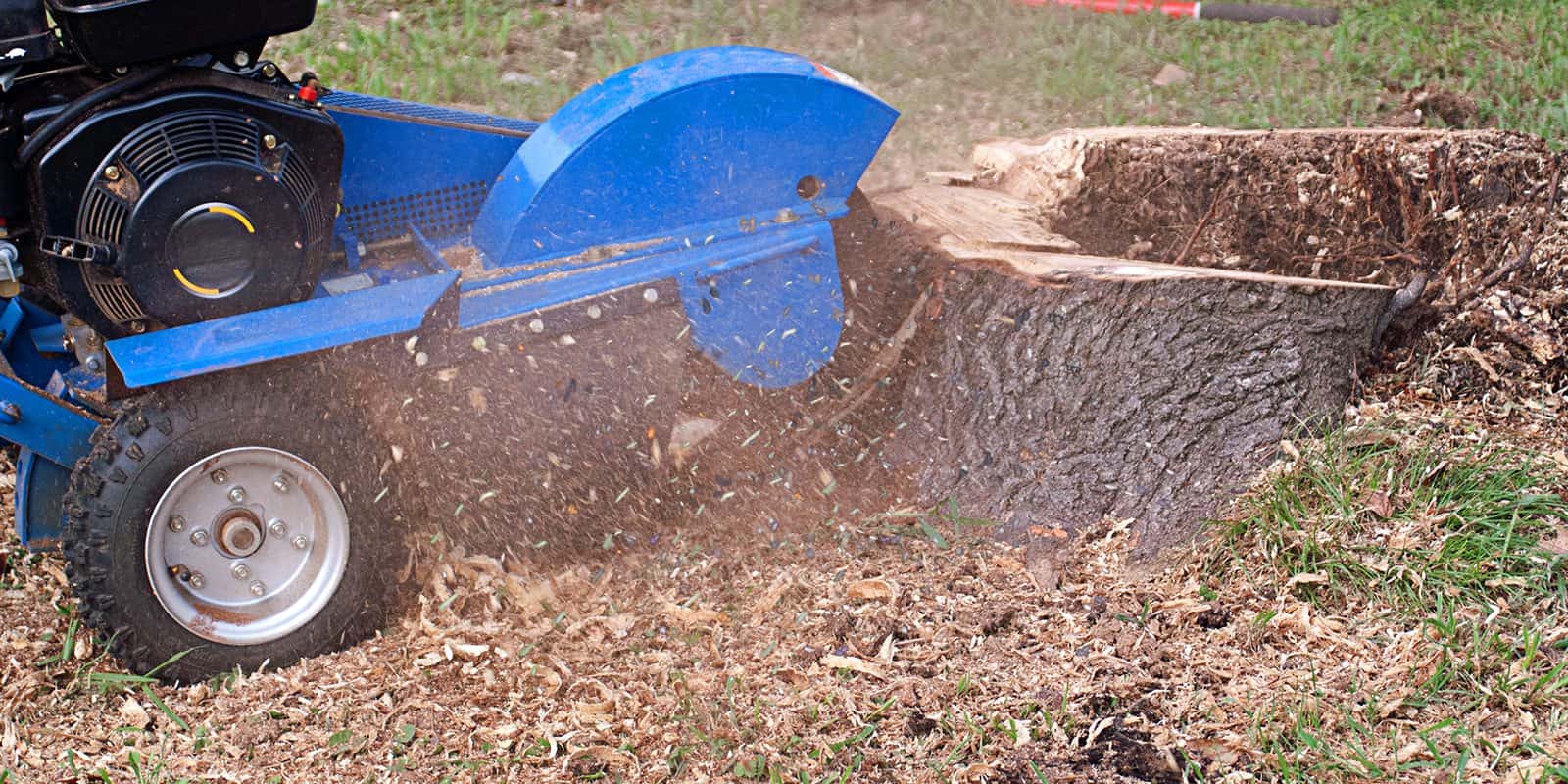
Stump grinding uses a specialized machine with a rotating cutting disk that grinds the wood into small chips. The grinder works its way through the stump and the major surface roots, chewing everything down below ground level so nothing’s left sticking up.
Here’s what actually happens when we show up. First, we assess the site—checking for underground utilities, evaluating soil conditions, and figuring out the best angle of approach. Long Island’s sandy soil in some areas versus clay-heavy soil in others makes a difference in how the equipment handles.
Then the grinding starts. The machine’s blade shaves away at the stump in passes, working from the outer edge toward the center and going deeper with each pass. For a medium-sized stump, you’re looking at grinding 8 to 12 inches below the surface, which prevents regrowth and gives you enough depth to plant or build over the area.
The wood chips pile up as the work progresses. Most homeowners in Long Island, NY choose to keep some of the chips for mulch around existing landscaping—fresh oak and maple mulch isn’t cheap at garden centers. The rest can be removed or spread to fill in the depression left behind.
What you won’t see is the root system being dug up. Those roots stay underground and decompose naturally over time, which is actually better for your soil than excavating everything and leaving a massive hole. The main stump and surface roots are gone, and that’s what matters for your landscaping plans.
One thing people don’t always think about: timing. Spring and fall are the busiest seasons for tree work in Long Island, so if you’re planning a project, book early. Storm damage from nor’easters and hurricanes also creates spikes in demand, especially for emergency stump removal when trees come down on short notice.
Why Stumps Don't Work with 2026 Design Trends
The landscape trends defining 2026 all share something in common: they require clean, unobstructed space to work. Desert modernism uses drought-tolerant plants with wide spacing and minimalist hardscaping. Multi-functional outdoor areas need room for seating, dining, or cooking zones. Even naturalistic planting schemes rely on intentional placement, not random obstacles.
Stumps break all of that. They create visual clutter in spaces that are supposed to feel open. They limit where you can put pathways, patios, or raised beds. And they make it nearly impossible to achieve the kind of symmetry and flow that modern landscape design depends on.
Let’s say you want to install a natural flagstone walkway—one of the upgrades that real estate professionals say recovers 100% of its cost when you sell. A stump in the path means you either reroute around it, which looks awkward, or you remove the stump first and do it right.
Same goes for outdoor living spaces. The trend toward blurring indoor and outdoor areas—using large glass doors, flush entryways, and strategically placed patios—doesn’t work when your sightline from the house ends at a rotting tree stump. You want that seamless transition, and stumps are the opposite of seamless.
Even if you’re not planning a major project, stumps undermine the minimalist aesthetic that’s become so popular. Clean lines. Earthy textures. Organic shapes that feel intentional. A stump just sitting there says “unfinished project,” not “thoughtfully designed outdoor space.”
And here’s the thing about Long Island specifically: coastal properties already deal with salt spray, sandy soil, and storm damage. Your yard has enough working against it without leaving stumps to rot, attract pests, and make the whole space look neglected. Removing them isn’t just about aesthetics—it’s about showing that your property is cared for and worth the investment.
Stump Grinding and Curb Appeal: What Property Values Actually Show
Curb appeal isn’t some abstract concept. It shows up in appraisal values, buyer interest, and how quickly homes sell. Research from Virginia Tech found that well-landscaped homes have a 5.5% to 12.7% price advantage over homes with no landscaping. On the flip side, poor landscaping can tank your property value by up to 30%.
Tree stumps fall squarely into the “poor landscaping” category. They signal neglect. They make buyers wonder what else hasn’t been maintained. And they create an immediate visual problem that’s hard to ignore, especially when 78% of real estate professionals say poor landscaping directly diminishes home values.
You don’t have to be selling to care about this. Curb appeal affects how you feel pulling into your own driveway every day. It influences how neighbors perceive the street. And it determines whether your yard looks like an asset or a liability.
How Stumps Hurt Your Yard's Appearance and Function
A stump turns into an eyesore faster than most people realize. Once the tree’s gone, that stump starts decaying. The wood softens. Fungi and mushrooms pop up around the base. Insects move in—termites, carpenter ants, beetles—all attracted to the rotting wood.
Now you’ve got a safety hazard on top of an aesthetic problem. Stumps are tripping risks, especially for kids running around the yard or guests who don’t know the terrain. They’re also lawn mower nightmares. Hit a low stump with your mower and you’re looking at blade damage, or worse.
But the real issue is what stumps do to your yard’s potential. That space where the stump sits is dead zone. You can’t plant there. You can’t build there. You can’t even mow there cleanly. It’s just wasted square footage in a yard that probably isn’t as big as you’d like to begin with.
Long Island properties, especially in Nassau and Suffolk Counties, don’t have unlimited space to waste. When you’re working with a typical suburban lot, every square foot counts. A stump taking up 10 or 15 square feet might not sound like much, but that’s room for a seating area, a small garden bed, or just a cleaner sight line from your back door.
And if you’re thinking about selling? Forget it. Buyers see stumps and immediately start calculating what it’ll cost them to remove. Or they just move on to the next listing where the yard actually looks ready to use. More than half of homeowners believe a beautiful landscape can add at least $20,000 to resale value. Stumps work in the opposite direction.
The decay process also creates problems you don’t see right away. As stumps rot, they can attract pests that spread to healthy trees or even your home. Fungi from diseased stumps can infect surrounding vegetation. And roots that keep growing underground can damage sidewalks, driveways, or underground pipes as they search for water.
Eco-Friendly Yard Clearing That Actually Adds Value
Stump grinding fits into the broader trend of eco-friendly yard clearing and sustainable landscaping practices. Unlike digging out stumps with heavy equipment—which tears up your yard and leaves a massive hole—grinding keeps soil disruption minimal and turns the wood waste into a usable byproduct.
Those wood chips left behind after grinding? They’re organic mulch. Spread them around your existing trees and shrubs, and they help retain soil moisture, regulate temperature, and suppress weeds. As they decompose, they add nutrients back into the soil. You’re not sending waste to a landfill. You’re cycling it back into your landscape.
This matters more in 2026 than it did even a few years ago. Sustainable landscaping isn’t just a nice-to-have anymore—it’s what buyers expect and what increases long-term property value. Native plants, water-efficient irrigation, and organic mulching all signal that a property has been thoughtfully maintained.
Grinding stumps also prevents the need for chemical treatments to stop regrowth. Some tree species will sprout new shoots from old stumps, creating an ongoing maintenance headache. Grinding below the surface eliminates that problem without herbicides or repeated cutting.
For Long Island homeowners dealing with storm damage, eco-friendly stump removal is especially relevant. Nor’easters and hurricanes bring down trees regularly, and the cleanup process can either add to landfill waste or feed back into the local ecosystem. Choosing professional stump grinding that repurposes the wood chips is the smarter, more sustainable option.
And here’s something most people don’t think about: removing stumps actually improves soil health over time. Decaying stumps can harbor diseases and pests, but they also tie up nutrients in dead wood that’s not contributing to your yard’s ecosystem. Grinding them out and replacing that space with healthy grass, native plants, or functional hardscaping creates a more productive, resilient landscape.
The cost-benefit math works too. Professional stump grinding in Long Island typically runs $150 to $500 per stump depending on size and location. That’s a fraction of what you’d pay for the ongoing maintenance, pest control, or property value loss that comes with leaving stumps in place. And it’s a one-time fix, not an annual expense.
Creating the Landscape You Actually Want Starts Here
Modern landscape design in 2026 is about intentional choices. Clean lines. Functional spaces. Room for the features that matter to you. None of that works when old tree stumps are taking up space and breaking up the flow of your yard.
Stump grinding gives you the blank canvas you need. It removes the obstacles holding back your landscaping plans, eliminates safety hazards and pest risks, and creates a yard that actually looks like someone’s paying attention. Whether you’re preparing to sell, planning a major outdoor project, or just tired of looking at stumps every time you step outside, professional grinding is the move.
For Long Island, NY property owners ready to reclaim their outdoor space, we handle stump grinding with the equipment and experience to do it right. No leftover mess. No half-finished job. Just the clean, usable yard you’ve been planning.
Article details:
- Published by:
- Competition Tree
- Published to:
- Last modified:
- March 16, 2026
Share:
Continue learning: