Why You Should Schedule a Tree Health Inspection Before Winter in Islip & Bayport
Discover why scheduling a tree health inspection before winter is crucial for Suffolk County homeowners in Islip and Bayport.
Share:

Summary:
What Tree Health Inspections Reveal Before Winter
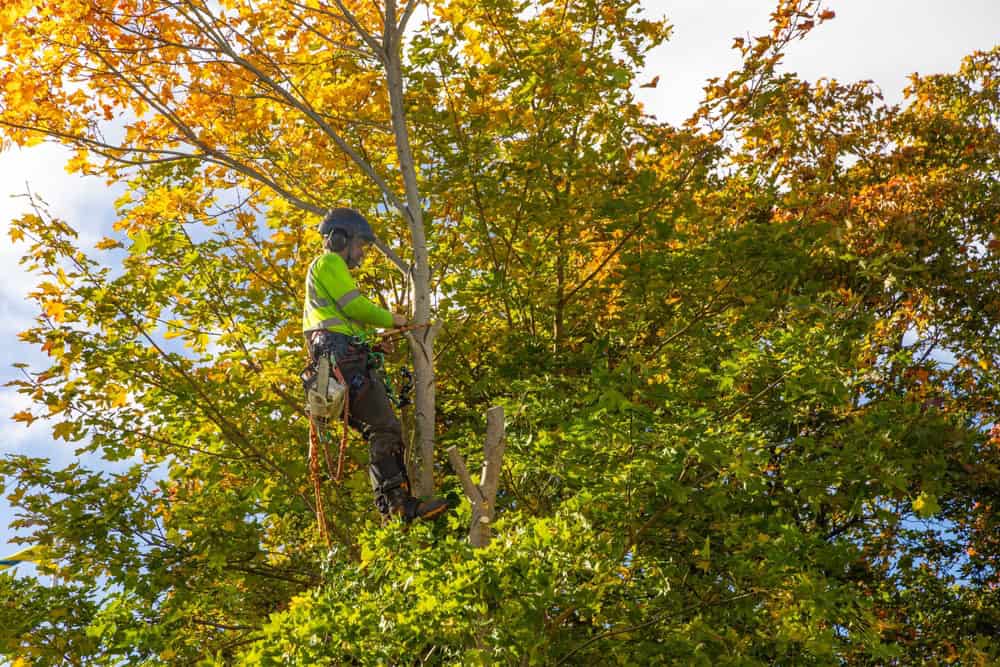
Structural defects are best detected in the late fall, winter and early spring when there are no leaves on the trees. This visibility advantage is exactly why timing matters so much for Suffolk County homeowners.
When your trees drop their leaves, certified arborists can finally see what summer foliage has been hiding. Cracks in major branches. Dead wood that’s been masked by green growth. Weak attachment points where heavy limbs connect to the trunk. These are the failure points that turn dangerous when winter weather hits.
Long Island trees face issues like emerald ash borer damage, fungal infections from humid summers, and winter damage from harsh nor’easters. A professional inspection identifies these region-specific threats before they compound into bigger problems.
Hidden Structural Problems That Cause Winter Tree Failures
The most dangerous tree problems are often invisible until disaster strikes. Injured and damaged trees may decay from the inside until a tree or stem is completely hollow. Many stressors can damage the vital protective shell of live sapwood just under the bark around the tree. This damage may not heal and will lead to exposed soft, discolored, decaying heartwood underneath.
Co-dominant stems—where two main trunks compete for dominance—create weak points that split under ice and snow loads. Girdling roots that wrap around the base slowly strangle trees from below. Root plate issues where the entire root system begins separating from soil. These problems develop over years, often showing no external symptoms until catastrophic failure occurs.
It’s beneficial to have a winter tree inspection as trees can become a potential hazard during snow and ice storms. If snow or ice builds up on an already-weakened limb that really should have been pruned, it could be at risk of falling. Proper and regular pruning is critical when it comes to preventing snow and ice damage to your trees and also reducing the risk of a hazardous situation.
We use specialized tools and techniques to detect internal decay, measure structural integrity, and assess root health. We can spot the subtle signs that indicate a tree is living on borrowed time—before winter weather delivers the final blow.
Disease and Pest Issues That Worsen Over Winter
Defects caused by diseases are best detected in the late summer and early fall when dead branches are obvious and fungal fruiting structures are most apparent. But the inspection window extends into winter because many disease symptoms become more visible as trees enter dormancy.
Fungal infections that seemed minor during growing season can spread rapidly through weakened trees during winter months. Recent invasive species threats like Redbay Ambrosia beetle have been found in Suffolk County towns including Northport, Dix Hills, Hauppauge, St. James and Greenlawn. These emerging threats require professional identification before they establish themselves in your landscape.
Winter inspections also reveal pest damage that occurred during the previous growing season. Bark beetle galleries, scale insect infestations, and borers that attacked during summer stress periods show their true impact once leaves are gone. Early detection allows for targeted treatments during the dormant season when many pests are vulnerable and trees can better tolerate intervention.
Disease and pest problems also tend to be reduced with dormant pruning during the winter. Most pests and diseases are not active in the winter months. Pruning cuts can open a tree up to new threats. This creates a strategic advantage for addressing problems during the dormant season.
The Cost of Waiting vs. Preventive Action
Every year trees cause millions of dollars in property damage from storms and problems that went unidentified. They also create risks that can put you and your family in danger. The financial reality is stark: prevention costs hundreds, while emergency response costs thousands.
Emergency tree removal during or after winter storms runs $3,000 to $10,000 per tree, assuming no property damage occurs. Add structural damage to your home, vehicles, or utilities, and costs skyrocket into tens of thousands. Insurance claims become complicated when companies question whether proper maintenance was performed.
A comprehensive tree health inspection typically costs $200 to $500 depending on property size and tree count. Compare that to the average insurance claim for tree damage, which often exceeds $5,000 before deductibles.

Insurance and Liability Considerations for Suffolk County Homeowners
Insurance companies increasingly scrutinize tree-related claims, especially when damage appears preventable. Insurance companies increasingly require tree risk assessments for high-value properties. Having documented professional inspections demonstrates due diligence that can protect your coverage.
If a tree on your property damages a neighbor’s home, vehicle, or injures someone, liability questions arise immediately. Courts often examine whether the property owner knew or should have known about tree hazards. Professional inspection reports provide crucial documentation that you took reasonable precautions.
Suffolk County’s coastal location means higher property values and greater potential losses. A single mature oak crashing through a roof can easily cause $20,000 to $50,000 in damage. The same tree’s removal and replacement might cost $2,000 to $5,000 if addressed proactively. Professional documentation also helps with permit requirements, as some Suffolk County municipalities have tree ordinances that require professional assessment before removal.
The liability extends beyond your property lines. The highest priority locations are those where people are frequently present. Trees near sidewalks, driveways, or neighboring properties carry higher risk and require more careful evaluation.
Long Island's Unique Winter Challenges for Trees
Long Island homeowners know storms are a real concern. Our location creates perfect storm conditions that test trees beyond their limits. Nor’easters bring sustained winds that can exceed 70 mph, while ice storms coat branches with heavy loads that exceed structural capacity.
Long Island NY is notorious for its harsh climate that is responsible for bleaching and desiccating evergreen foliage, bark damage and branch injury, flower buds, and root damage. Due to the pressing food shortage, rodents and deer feed on tree parts sometimes causing serious damage to the trees. These multiple stressors compound throughout winter, weakening trees progressively.
Salt spray from winter road treatments creates additional stress, particularly for trees near streets and driveways. Salt damage from winter road treatments, drought stress, and soil pH problems all affect tree health. We help identify these less obvious stressors that weaken trees over time. The combination of salt damage and freeze-thaw cycles can kill even mature, established trees.
From heavy snow in the winter to humid, stormy summers, tree issues can build up fast. If you’ve got many trees or a history of trouble, we may recommend twice-yearly visits. Long Island’s climate extremes make regular professional assessment essential for maintaining healthy, safe trees.
Schedule Your Tree Health Inspection Before Winter Weather Arrives
Fall evaluations help prepare trees for winter and identify storm hazards before weather becomes severe. The window for preventive action closes quickly once winter weather systems begin affecting Long Island.
Professional tree health inspections give you the information needed to make smart decisions about your landscape investment. Whether that means strategic pruning, targeted treatments, or planned removal of hazardous trees, acting now puts you in control of the situation.
Don’t wait for the next nor’easter to reveal problems with your trees. Contact us today to schedule your pre-winter tree health inspection and protect your Suffolk County property from preventable damage.
Article details:
- Published by:
- Competition Tree
- Published to:
- Last modified:
- January 12, 2026
Share:
Continue learning: